

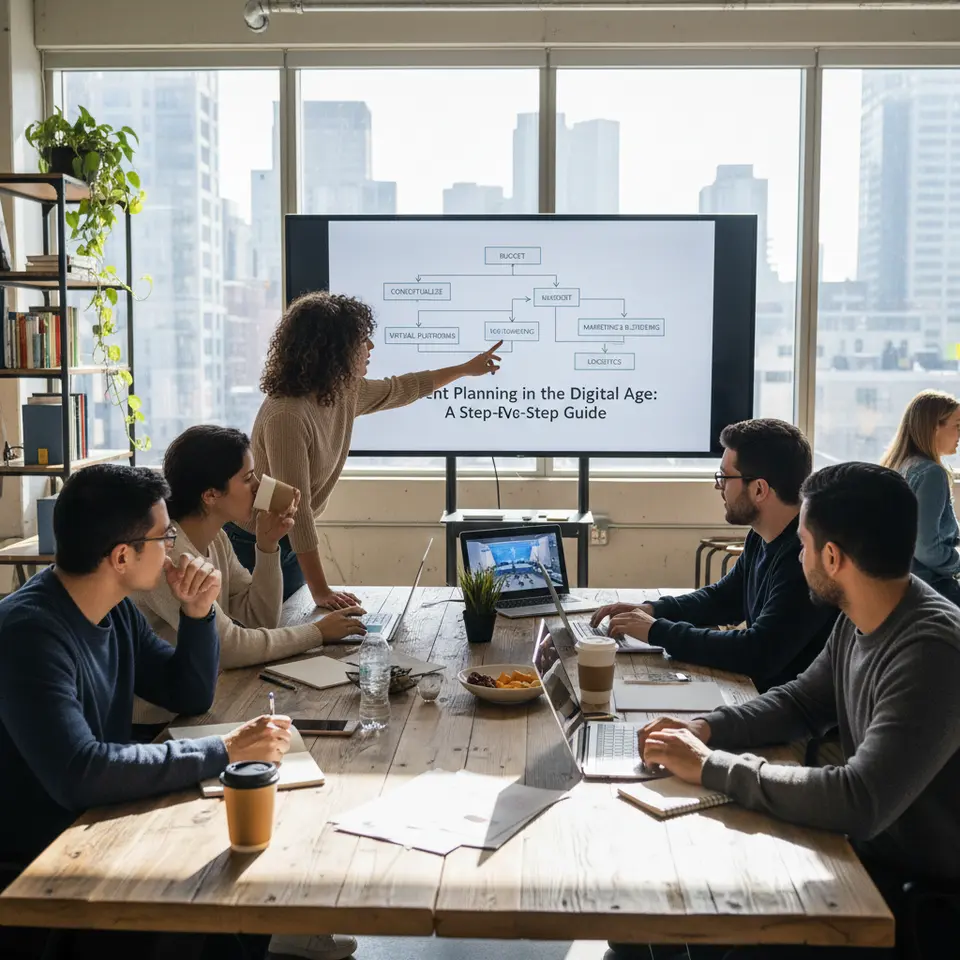
In today’s digital landscape, mastering event planning in the digital age has become essential for organizations seeking to captivate audiences and drive measurable results. Whether you’re orchestrating a corporate conference, virtual summit, product unveiling, or celebratory gathering, the convergence of technology and creativity demands strategic foresight and agile execution. Currently, event professionals must balance data-driven insights with immersive experiences to deliver content that resonates and fosters engagement. From defining your core objectives to leveraging real-time analytics, this guide provides a step-by-step blueprint designed to streamline your workflow, optimize attendee satisfaction, and ensure every detail aligns with your overarching vision.
As technology evolves this year (2026), so do audience expectations. Attendees anticipate seamless registration journeys, interactive sessions, and on-demand resources delivered across multiple channels. By adhering to proven best practices—rooted in clear goal setting, dynamic budgeting, venue or platform selection, team coordination, and targeted promotion—you’ll gain the tools to transform ideas into unforgettable experiences. Along the way, we’ll reference authoritative sources such as the Project Management Institute (PMI) and the U.S. Small Business Administration (SBA) to anchor our recommendations in research and industry standards. Join us as we explore each phase of event planning in the digital age, arming you with practical tips and digital solutions to elevate your next gathering from good to extraordinary.
Setting Clear Objectives and Measuring Success
Defining Your Primary Goals
Every successful event begins with clearly defined objectives. Are you aiming to generate leads, boost brand awareness, educate participants, or foster networking opportunities? Establishing your purpose upfront shapes every subsequent decision, from content creation to marketing channels. In the context of event planning in the digital age, objectives also guide technology adoption—whether that means embedding live polling, Q&A tools, or networking lounges into your virtual or hybrid framework.
Identifying Key Performance Indicators (KPIs)
Once goals are in place, pinpoint measurable KPIs that reflect progress toward those targets. Common metrics include registration volumes, attendance rates, session drop-off percentages, social media reach, and post-event survey scores. By setting benchmarks early, you enable ongoing adjustments and data-driven optimizations. For example, if chat participation lags, consider introducing gamification elements or moderated discussions to spark engagement.
Utilizing Analytics Tools
Leverage analytics dashboards provided by virtual platforms or third-party solutions to track attendee behaviors in real time. Integration with a customer relationship management (CRM) system allows for seamless follow-up and lead nurturing. According to research from the University of Maryland (UMD), organizations that integrate event data with CRM witness a 25% increase in conversion rates. Regularly reviewing these insights lays the foundation for continuous improvement and ensures your event planning in the digital age remains data-informed.
Building a Realistic Budget and Timeline
Itemizing Expense Categories
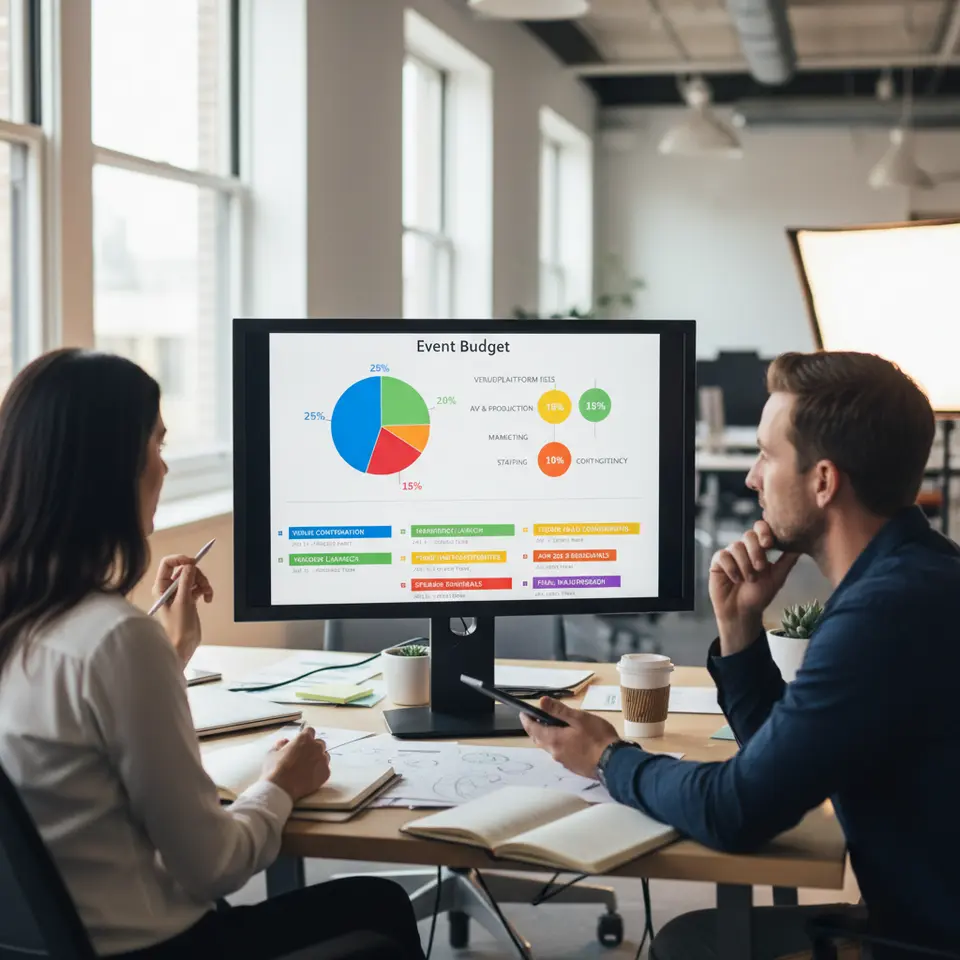
Budgeting requires a detailed breakdown of all expense types: venue or virtual platform fees, audio-visual and production costs, catering or digital swag, marketing and advertising, speaker fees, staffing, décor, and contingency reserves (typically 10–15%). Allocating funds across these categories helps you monitor actual versus projected spending and reduces the risk of last-minute financial shortfalls.
Leveraging Budgeting Tools
Dynamic spreadsheets or specialized event budgeting software can automate calculations and flag variances. Tools like Excel templates, Google Sheets, or dedicated platforms such as Cvent provide real-time visibility into cash flow and outstanding obligations. Establish approval workflows for expenditures above designated thresholds to maintain fiscal control.
Constructing a Detailed Timeline
An actionable timeline complements your budget by outlining critical milestones: venue confirmation, vendor contract sign-off, marketing launches, ticket sales checkpoints, speaker rehearsals, and final walk-throughs. Assign ownership for each task and embed buffer periods to accommodate unforeseen delays. In today’s fast-paced environment, adhering to your schedule is key to avoiding bottlenecks and ensuring a smooth production.
Choosing the Ideal Venue or Virtual Platform
Assessing Physical Venues
For in-person events, evaluate site accessibility, capacity, on-site technical support, layout flexibility, and health and safety compliance. Consider proximity to public transportation, lodging options, and local attractions to enhance attendee convenience. A site visit or virtual tour can uncover logistical constraints before contracts are finalized.
Selecting Virtual and Hybrid Solutions
Virtual venues require features such as seamless registration integration, high-quality streaming, breakout rooms, networking lounges, and robust analytics. Hybrid events blend on-site and online experiences, so it’s critical to choose a platform that supports two-way interaction and real-time data sharing. Test bandwidth capacities, device compatibility, and user interfaces months in advance to identify and resolve technical challenges.
Contract Negotiations and Service Level Agreements
Whether physical or digital, negotiate terms that cover payment schedules, cancellation policies, and service level agreements (SLAs). Ensure your contract specifies deliverables—like on-site AV technicians or 24/7 platform support—and includes penalty clauses for missed commitments. This level of detail safeguards event quality and aligns vendor performance with your objectives.
Establishing Your Team and Vendor Partnerships
Defining Core Roles and Responsibilities
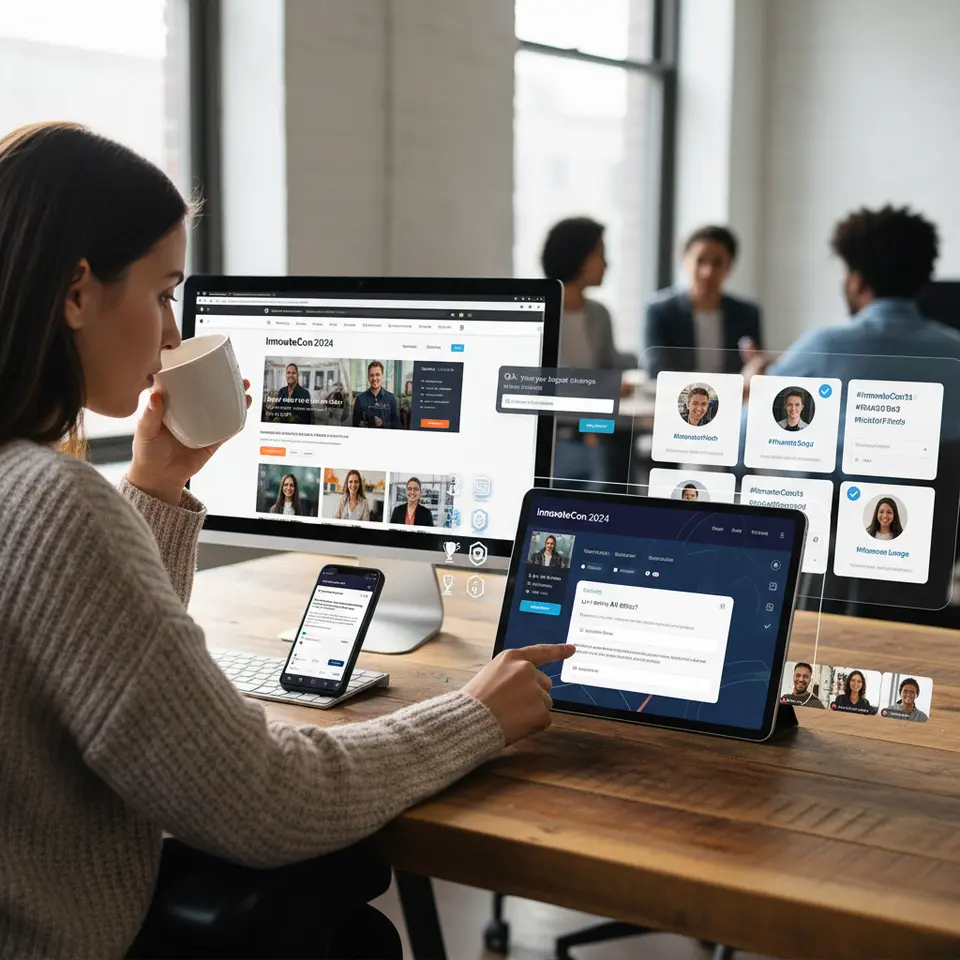
Event planning in the digital age demands a well-structured team. Essential roles include project lead, logistics coordinator, marketing manager, sponsorship liaison, content curator, technical specialist, and on-site support. Clearly document responsibilities, decision-making authority, and escalation paths to ensure accountability and swift problem resolution.
Implementing Collaboration Tools
Utilize project management platforms such as Asana, Trello, or Monday.com to assign tasks, track progress, and share real-time updates. A centralized calendar helps synchronize deadlines across departments and prevents overlapping workloads. Weekly status meetings or stand-ups foster transparency and allow the team to adapt priorities as needed.
Vetting and Managing Vendors
Source vendors by evaluating reliability, past performance, and client testimonials. Issue a comprehensive request for proposal (RFP) that outlines scope, technical requirements, schedule, and budget parameters. Once contracts are in place, schedule recurring check-ins, share floor plans or run-of-show documents, and maintain a centralized repository for invoices and correspondence. Effective vendor management ensures consistency, quality, and seamless integration into your event plan.
Crafting a Multi-Channel Marketing and Engagement Strategy
Developing Compelling Content and Campaigns
A robust marketing strategy for event planning in the digital age combines organic and paid tactics. Create SEO-optimized landing pages with clear calls to action, utilize targeted email campaigns segmented by audience type, and optimize messaging for mobile users. Incorporate speaker spotlights, testimonials, and countdown timers to sustain excitement and urgency.
Leveraging Social Media and Influencer Partnerships
Social channels play a pivotal role in amplifying event reach. Develop event-specific hashtags and encourage attendees to share user-generated content. Partner with industry influencers or thought leaders to boost credibility and expand your network. Use platforms like LinkedIn and Facebook Ads to target demographics based on job titles, interests, and past engagement.
Driving Engagement Through Technology
Enhance attendee interaction using live-polling tools, Q&A platforms, and event apps that facilitate networking. Integrate gamification elements—scavenger hunts, leaderboards, or prize draws—to reward participation. For virtual or hybrid formats, ensure seamless chat moderation and real-time support via a helpdesk chat or hotline. These tools not only elevate the experience but also generate valuable data on attendee preferences and behaviors.
Conclusion
Event planning in the digital age requires a harmonious blend of strategic vision, meticulous organization, and cutting-edge technology. By setting clear objectives, crafting a realistic budget and timeline, choosing the right venue or platform, assembling a dedicated team, and executing a multi-channel marketing plan, you’ll deliver experiences that resonate and drive tangible results. Embrace data-driven decision-making and continuous iteration to refine your approach and exceed attendee expectations. With this step-by-step guide as your roadmap, your next event will stand out, engage audiences, and achieve your most ambitious goals.