


In today’s fast-paced and ever-evolving event industry, mastering event planning requires a balanced blend of strategic vision, meticulous organization, and creative flair. Whether you’re orchestrating a high-profile corporate summit or an intimate fundraising gala, success hinges on a structured roadmap that guides each decision and ensures alignment with your core objectives. This year (2026), attendees demand seamless experiences that not only inform and inspire but also offer unique, interactive moments. Achieving this level of excellence begins long before the doors open—it starts with clear objectives, realistic budgets, and a compelling thematic concept.
As technology streamlines communication and data drives decision-making, professional planners must integrate digital tools without sacrificing the human touch. From leveraging online surveys to capture audience preferences to using project management platforms for real-time collaboration, today’s event planning landscape is increasingly data-driven and connected. External research from institutions such as the Event Leadership Institute and best practices endorsed by government guidelines (for example, CDC public health protocols) underscore the importance of safety and accessibility in modern gatherings. In the following sections, we’ll dive into five comprehensive areas—strategic goal setting, venue selection, vendor management, marketing dynamics, and operational excellence—each crucial for delivering a flawless event that resonates with your audience and meets the demands of this dynamic environment.
Setting Strategic Goals and Financial Foundations
Every successful event planning initiative starts with a well-defined purpose. Begin by identifying the primary outcomes you hope to achieve: Will your gathering raise brand awareness, generate qualified leads, celebrate milestones, or support a charitable cause? By establishing SMART objectives (Specific, Measurable, Achievable, Relevant, Time-bound), you’ll create a clear roadmap that informs decision-making at every stage. Engage stakeholders early—be they sponsors, organizational leaders, or community representatives—and document their expectations in a formal event brief. This collaborative alignment ensures that all efforts tie back to measurable performance metrics.
Equally important is crafting a comprehensive budget that accounts for every foreseeable expense. Start by listing major cost categories: venue rental, catering, audio-visual production, décor, staffing, marketing, insurance, and contingency funds (often recommended at 10–15% of total costs). Research prevailing market rates through authoritative sources like industry associations or government labor statistics (Bureau of Labor Statistics) to benchmark vendor quotes. Negotiate volume discounts and early-commitment incentives wherever possible, and maintain a live spreadsheet or event-budgeting tool to update line items in real time. This proactive approach minimizes surprises and empowers you to reallocate funds swiftly if unexpected costs arise.
Documenting projected versus actual spend helps track return on investment (ROI) and provides crucial insights for future events. For example, if your goal is to secure 100 new leads, outline how you’ll capture attendee data—through digital registration forms, post-session surveys, or networking app integrations. By tying each expense to a specific outcome, you can evaluate which investments deliver the greatest impact. In today’s digital landscape, transparent budgeting not only fosters stakeholder confidence but also empowers your team to make data-driven trade-offs that keep the event both financially and operationally on track.
Choosing the Ideal Date, Venue, and Theme
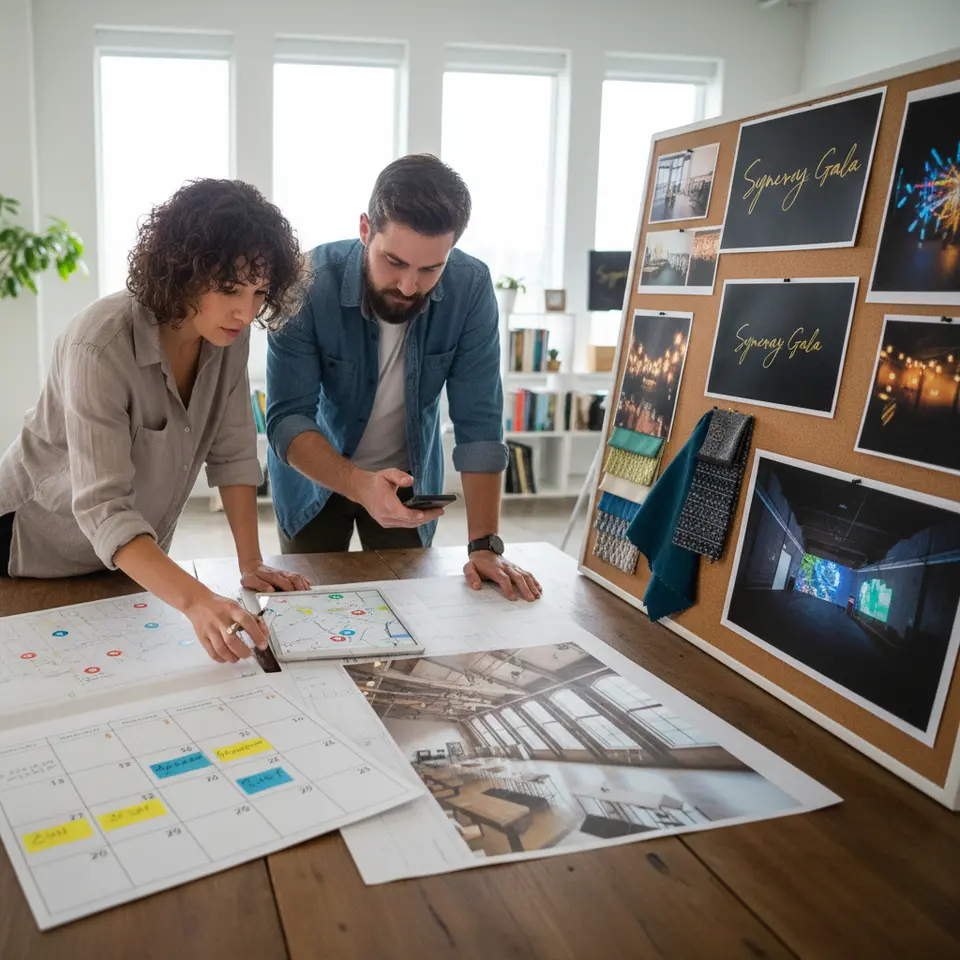
Selecting the right date and location can significantly influence attendance rates and overall satisfaction. When determining dates, consider seasonal trends, competitive events in your industry, and audience availability. Conduct quick polls or use social media surveys to gauge preferences, ensuring your target demographic can participate. Once you’ve narrowed down potential windows, research venue options that align with your capacity requirements and technical needs. Assess factors such as on-site AV equipment, Wi-Fi bandwidth, loading docks, parking, and accessibility features for guests with mobility challenges. Visiting shortlisted sites in person allows you to verify spatial layouts, emergency exits, and logistical flow, reducing the risk of last-minute surprises.
After securing the venue, develop a cohesive theme that complements your brand identity and event objectives. A memorable concept ties together every touchpoint, from digital invitations and signage to stage design and attendee giveaways. For instance, a technology-focused conference might adopt a “Future of Connectivity” motif, featuring interactive displays, LED lighting installations, and branded charging stations. In contrast, a nonprofit gala could embrace an “Evening of Impact” theme, showcasing beneficiary stories through immersive multimedia experiences. Collaborate with graphic designers and production teams to ensure theme consistency across both physical and virtual channels.
Storytelling is a powerful tool for engagement. Use your theme to guide content—share compelling narratives about your brand’s mission, spotlight success stories, or integrate user-generated content. Incorporate interactive elements such as live polling, VR demonstrations, or thematic photo booths to deepen emotional connections. By thoughtfully pairing date, venue, and thematic design, you set the stage for an event that captures attention and leaves a lasting impression.
Securing Vendors and Mastering Scheduling
Vendors are the backbone of any smoothly executed event. Whether you’re contracting a caterer, AV team, floral designer, or transportation provider, obtaining detailed proposals that outline services, costs, and timelines is essential. Before signing contracts, verify each supplier’s credentials—request references, read reviews, and confirm insurance and health certifications when applicable. Establish clear communication protocols by assigning a primary point of contact for each vendor and scheduling regular check-ins. These touchpoints allow you to confirm progress, address concerns, and update timetables as needed.
To avoid last-minute hiccups, develop a vendor management plan that includes backup options for critical services. For example, securing an alternate AV provider ensures you’re covered if technical issues arise with the primary team. In each contract, outline payment milestones, cancellation policies, and performance expectations. Keep digital copies of all agreements in a centralized project management platform like Asana or Trello, where you can tag team members and vendors to streamline approval workflows.
A carefully structured timeline is the secret to orchestrating complex logistics. Break the planning process into major phases—preproduction, production, and post-production—then drill down to weekly and daily tasks. Assign responsibilities for content creation, exhibitor coordination, speaker liaison, and décor installation. Incorporate key milestones such as initial vendor confirmations, marketing launch dates, rehearsal schedules, and final walkthroughs. By visualizing tasks on a Gantt chart or Kanban board, your team stays synchronized in real time, minimizing confusion and preventing overlooked details.
Marketing Dynamics and Enhancing Attendee Engagement
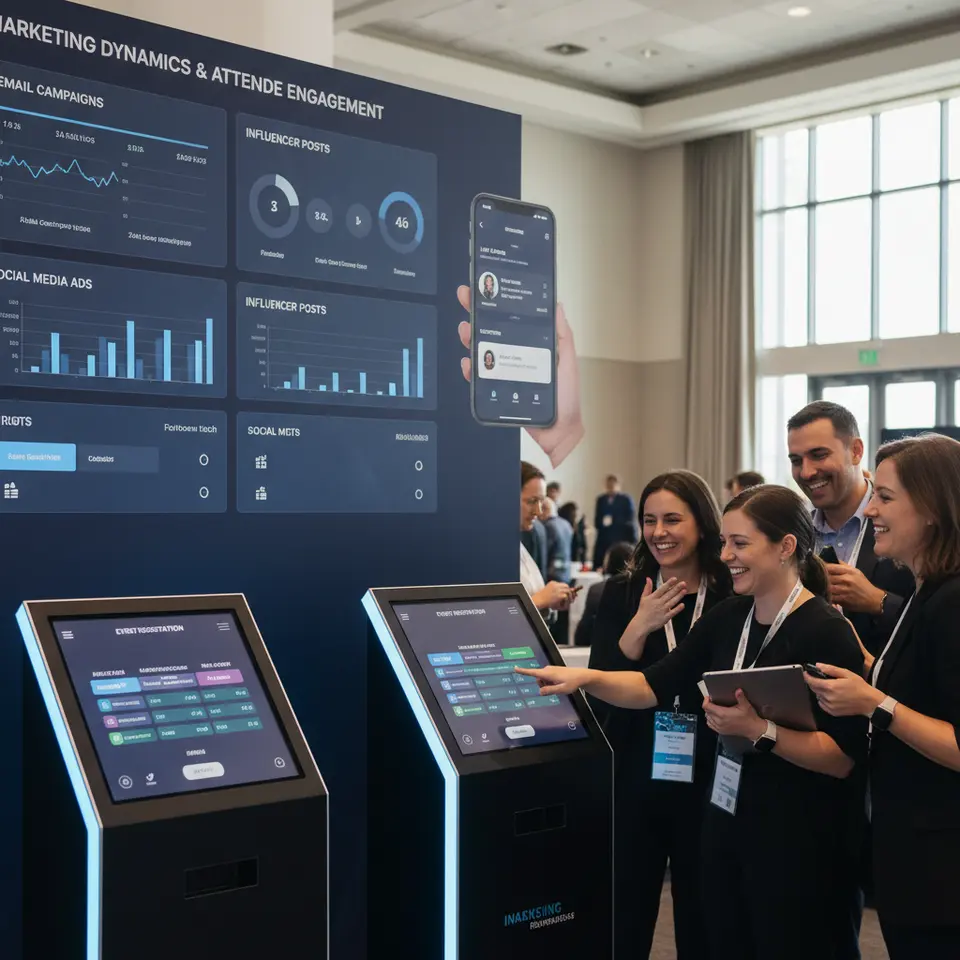
Effective marketing fuels attendee interest and drives registrations. Craft a multi-channel promotional plan that leverages email newsletters, social media ads, press releases, influencer partnerships, and paid sponsorships. Tailor messaging to highlight compelling value propositions—networking opportunities, thought-provoking speakers, or exclusive product reveals. Use A/B testing to refine subject lines and ad creatives, and monitor open rates, click-throughs, and conversion metrics to optimize budget allocation dynamically.
Incorporate event management software to streamline communication workflows. Automated confirmation emails, reminder notifications, and post-event surveys reduce manual effort and enhance the attendee experience. Encourage early sign-ups with incentives like tiered pricing, VIP packages, or bundled offers. Creating a dedicated event hashtag promotes user-generated content—share contest prompts or photo challenges to spark social media buzz. Remember to curate and repost attendee-generated media, which fosters community and amplifies organic reach.
On-site engagement is equally critical. Provide branded check-in kiosks to minimize wait times, and offer mobile apps with customizable agendas, live polling, Q&A features, and networking matchmaking. Breakout sessions, roundtable discussions, and hands-on workshops allow participants to interact directly with experts and peers. Integrating gamification elements—like scavenger hunts or leaderboard competitions—enhances immersion and encourages movement throughout the venue. Don’t overlook accessibility needs: offer closed captioning, sign language interpretation, and wheelchair-accessible routes to ensure inclusivity for all attendees.
By weaving marketing and engagement strategies together, you create a cohesive experience that resonates before, during, and after the event. Tracking key performance indicators (KPIs) such as registration rates, session attendance, and post-event satisfaction scores provides actionable insights for continuous improvement in today’s competitive landscape.
Operational Excellence: On-Site Coordination and Post-Event Analysis
Flawless on-site operations hinge on meticulous preparation and clear communication. Conduct a thorough walk-through with your team and primary vendors at least one day before the event to confirm AV setups, décor placement, seating arrangements, and emergency procedures. Distribute detailed run sheets outlining event timings, speaker cues, staff assignments, and contact lists. Establish an on-site command center equipped with radios or messaging apps to handle real-time issue resolution and coordinate last-minute adjustments.
Lead staff briefings that cover brand guidelines, guest services protocols, and contingency plans for unforeseen circumstances. Whether it’s a sudden weather change, technical malfunction, or schedule shift, having predefined escalation paths and backup resources ensures a swift response. Oversee catering timelines to verify dietary accommodations and presentation standards are met, and confirm that signage and wayfinding cues guide attendees effortlessly throughout the venue.
Once the final guest departs and the teardown begins, shift focus to post-event evaluation. Collect quantitative data—attendance numbers, revenue figures, session ratings—and qualitative feedback through surveys or interviews. Compare outcomes against your SMART objectives to determine success levels and identify improvement areas. Share findings in a concise post-mortem report for stakeholders and vendors, highlighting both triumphs and lessons learned.
Follow up with personalized thank-you messages that include event highlights, photo galleries, or session recordings. This not only expresses appreciation but also reinforces your brand’s professionalism and hospitality. Leverage positive testimonials in future promotional materials and maintain relationships with key partners to streamline planning for subsequent events. Continuous refinement, informed by data and feedback, solidifies your reputation as a seasoned event planning professional capable of delivering memorable experiences year after year.
FAQ
What is the first step in planning a successful event?
The first step is defining clear, SMART objectives—Specific, Measurable, Achievable, Relevant, and Time-bound. This strategic foundation guides every decision, from budgeting to marketing, ensuring all efforts align with your core goals.
How can I manage my event budget effectively?
Develop a detailed budget listing all major cost categories and set aside a contingency fund of 10–15%. Use live spreadsheets or budgeting tools to track projected versus actual spend and adjust allocations as quotes and expenses evolve.
What are the best ways to boost attendee engagement?
Leverage interactive elements such as live polling, gamification, breakout sessions, and thematic photo booths. Integrate mobile apps with personalized agendas and networking features, and encourage user-generated content with event hashtags and social media challenges.
How do I measure the success of my event?
Track KPIs such as registration numbers, session attendance, lead generation, and post-event satisfaction scores. Collect qualitative feedback via surveys or interviews, and compare outcomes against your SMART objectives to evaluate ROI and identify improvement areas.
Conclusion
Today’s event planning environment demands a strategic blend of visionary goals, sound financial management, creative design, and seamless execution. By following a comprehensive approach—establishing SMART objectives, allocating realistic budgets, selecting the ideal date and venue, developing an immersive theme, vetting reliable vendors, implementing dynamic marketing, and overseeing flawless on-site operations—you’ll position your event for success. Continuous post-event evaluation ensures you’re not just meeting expectations but exceeding them, setting the stage for even greater achievements.
Embrace the tools and best practices available, from project management platforms to authoritative resources such as research institutions and government guidelines. Stay agile, solicit honest feedback, and iterate on your process. In today’s digital landscape, attendees value both innovation and authenticity—deliver on both fronts, and your next event will stand out as an unforgettable milestone in the journey of your brand or organization.