
Introduction
In today’s digital landscape, hybrid events have become essential for organizations that want to blend in-person and online experiences into a seamless whole. By integrating traditional live gatherings with virtual components, planners can broaden reach, engage diverse audiences, and drive stronger returns on investment. Currently, event professionals are exploring innovative approaches to deliver high-impact content while balancing accessibility, interactivity, and sustainability. With careful planning and the right tools, you can create an environment where both onsite and remote attendees feel equally valued and connected.
This year (2026), the focus on hybrid events is stronger than ever. As attention spans shrink and digital comfort grows, participants seek flexible options that fit their schedules and preferences. Whether your goal is lead generation, brand awareness, or community building, designing a solid hybrid strategy will future-proof your gatherings. Throughout this guide, we will walk you through each critical step—from defining clear objectives to measuring post-event success—so that you can orchestrate memorable, data-driven experiences. Ready to master hybrid events? Let’s get started.
Setting Clear Goals and Understanding Your Audience
Before diving into logistics, begin by defining the purpose of your hybrid events. Are you aiming to expand market reach, strengthen relationships with existing customers, or present educational content? Document specific, measurable objectives—such as achieving a 20% increase in virtual attendance or capturing 500 new leads. Establishing these targets will guide every decision, from content creation to promotion tactics.
Next, conduct thorough audience research to segment attendees effectively. Use surveys, registration insights, and social analytics to identify preferences, time zones, and technology comfort levels. For example, a global academic audience may appreciate on-demand access and detailed transcripts, while corporate executives might value live Q&A sessions and networking lounges. Tailoring your program based on these insights ensures that both onsite and remote participants receive relevant engagement opportunities.
Prioritize inclusivity by considering accessibility requirements. Offer closed captioning, sign-language interpretation, and screen-reader compatible platforms. For your in-person venue, ensure wheelchair access and clear signage. Gathering this data early on allows you to integrate these features seamlessly, boosting satisfaction and reinforcing your brand’s commitment to equity.
By anchoring your hybrid events in well-defined goals and audience insights, you lay a solid foundation for every subsequent phase—from budgeting to technology selection. Align your metrics with these objectives so you can track real-time progress and demonstrate ROI to stakeholders.
Building a Robust Planning Timeline
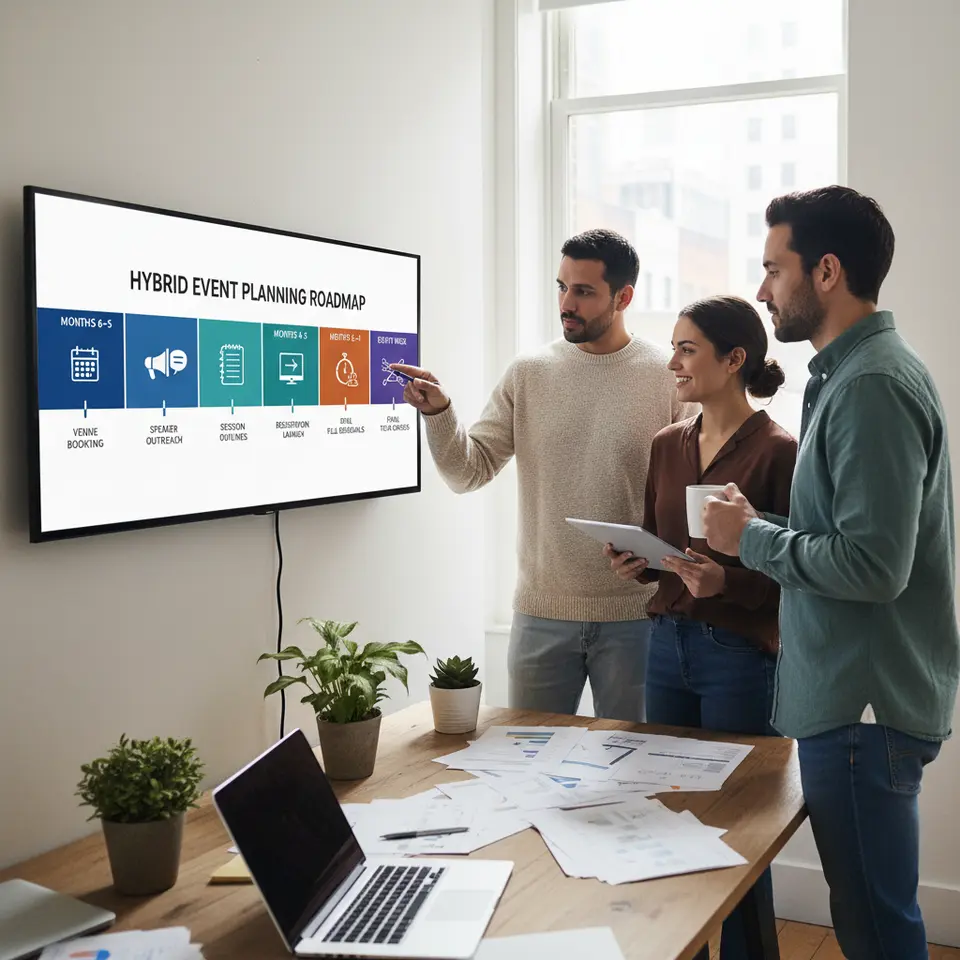
A clear timeline is vital for executing flawless hybrid events. Ideally, start planning six months ahead to secure vendors, technology, and promotional partners. Here’s a recommended schedule:
- Months 6–5: Finalize event objectives, book your physical venue, and select a virtual platform. Research providers that offer scalability, interactivity, and white-label branding. Begin outreach to keynote speakers and sponsors.
- Months 5–4: Develop detailed session outlines and speaker bios. Set ticket tiers—early bird, VIP onsite, standard online, and premium virtual. Collaborate with your marketing team to craft messaging pillars and design promotional assets.
- Months 4–2: Launch registration and integrate an automated check-in system that issues QR codes and personalized agendas. Schedule dry-run sessions with speakers to test audio, video, and interactive tools. Train staff and moderators on platform features.
- Month 1: Conduct full-scale rehearsals for both physical AV teams and virtual production crews. Confirm internet bandwidth, backup connectivity, and on-site signage. Distribute attendee guides with clear instructions for accessing sessions and networking lounges.
- Event Week: Oversee final technical checks, stage setups, and moderator briefings. Coordinate with sponsors to ensure virtual booth functionality and on-site branding placement.
Maintaining frequent check-ins and clear task ownership will keep the project on track. Use project management tools like Trello or Asana to assign responsibilities and monitor milestones. This proactive approach minimizes last-minute surprises and allows for timely adjustments.
Choosing the Right Venue and Virtual Platform
Selecting the perfect combination of physical space and digital infrastructure is key to successful hybrid events. For your on-site location, look for venues with robust, dedicated internet bandwidth, multiple breakout rooms, and built-in streaming capabilities. Tour the facility to verify camera angles, lighting options, and accessibility features.
Parallel to this, evaluate virtual event platforms on several criteria:
- Scalability: Can the system handle peak concurrent users without lag?
- Interactivity: Does it support live chat, Q&A, polls, and virtual networking lounges?
- Branding: Are there white-label options to reinforce your event’s identity?
- Analytics: Does it provide real-time dashboards to track session attendance and engagement? For best practices, review the Event Marketing Institute’s research: Event Marketing Institute.
Security and data privacy are non-negotiable. Choose platforms compliant with GDPR and industry standards to protect attendee information. Confirm that your vendors offer 24/7 technical support for peace of mind.
Ultimately, the synergy between your venue and virtual platform determines the attendee experience. Align their capabilities with your objectives to ensure smooth content delivery, dynamic networking, and actionable insights.
Creating Engaging Content for All Audiences
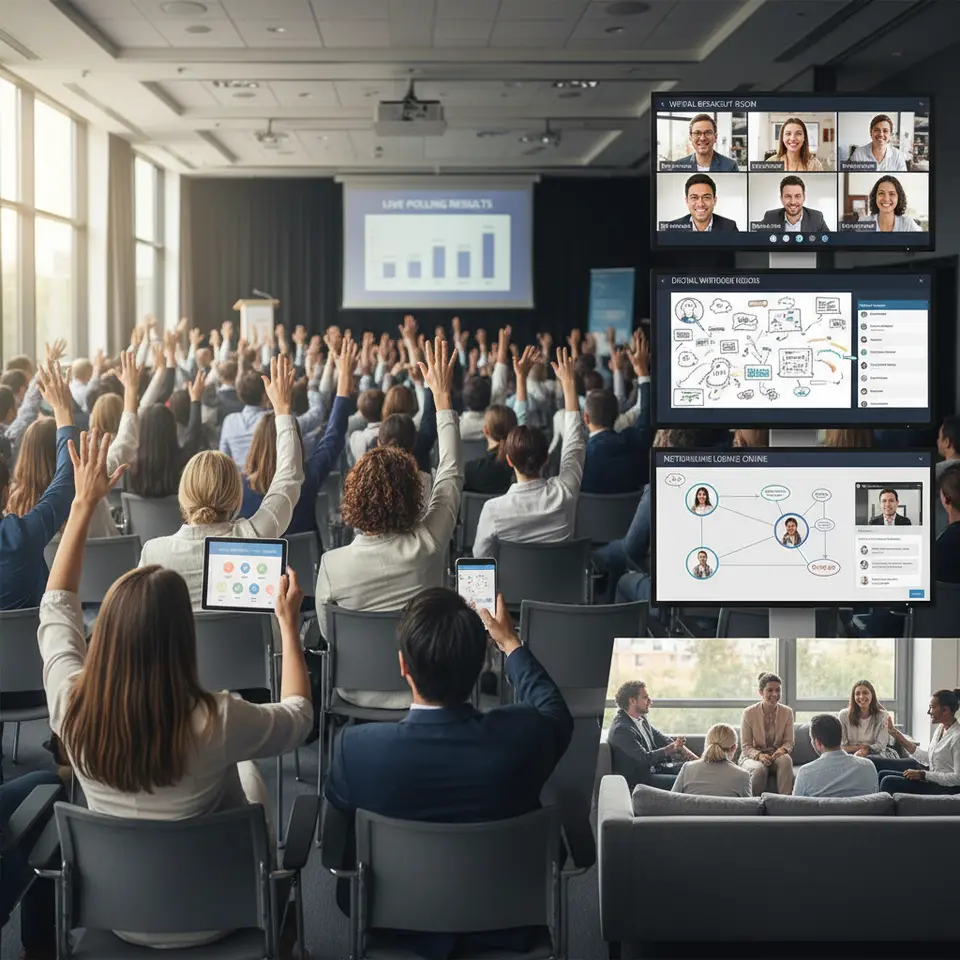
At the heart of hybrid events is compelling content that resonates with both in-person guests and remote participants. Structure your agenda to alternate keynotes, panel discussions, workshops, and lightning talks. For online viewers, shorter segments—no more than 20–30 minutes—maintain attention and accommodate diverse schedules.
Incorporate interactive elements to foster engagement:
- Live polling and Q&A via mobile apps or built-in platform features
- Virtual whiteboards and breakout sessions for small-group collaboration
- Downloadable resources, e-books, and on-demand recordings for extended value
- AI-powered matchmaking tools that suggest relevant connections based on attendee profiles (United Nations)
Design networking breaks with both physical lounges and digital “coffee rooms.” Schedule thematic discussions to facilitate meaningful conversations. For hands-on workshops, provide kits or digital templates so remote participants can follow along in real time.
Speaker preparation is also vital. Supply presenters with guidelines on camera setup, lighting, and slide design optimized for both large screens and web browsers. Organize rehearsal sessions to align on flow, transitions, and interactive tools usage. By treating every detail as an opportunity to delight attendees, you ensure that your hybrid events leave a lasting impression.
Integrated Marketing and Promotion Strategies
To maximize attendance and sponsor satisfaction, deploy a multichannel marketing plan. Combine email drip campaigns, social media ads, influencer partnerships, and SEO-optimized blog posts featuring your focus keyword, hybrid events. Create teaser videos and speaker highlight reels to spark anticipation. Develop a countdown series on social channels offering daily tips or trivia related to your event theme.
Leverage hashtag campaigns to encourage user-generated content. Ask participants to share their setup photos or questions using a custom hashtag. This approach builds community and extends your reach organically. Host free pre-event webinars or live Q&A sessions to showcase value and answer prospective attendee inquiries.
For affiliate and sponsor collaborations, provide co-branded assets and unique tracking links to measure conversions. Offer incentive programs such as referral discounts to reward advocates. Monitor campaign performance through analytics platforms and adjust messaging in real time to optimize click-through and registration rates.
By unifying your promotional channels and focusing on targeted storytelling, you can drive awareness, registrations, and engagement. A well-orchestrated marketing strategy ensures your hybrid events stand out in a crowded digital ecosystem.
Frequently Asked Questions
What defines a hybrid event?
A hybrid event combines in-person gatherings with virtual elements, allowing attendees to participate either onsite or online while sharing a unified agenda and interactive features.
How far in advance should I start planning?
Ideally, you should begin hybrid event planning six months ahead to secure venues, platforms, speakers, and sponsors while allowing ample time for testing and promotion.
What technologies are crucial for engagement?
Key technologies include reliable streaming services, audience interaction tools (polls, Q&A, chat), virtual networking lounges, and analytics dashboards to measure real-time engagement.
Conclusion
Executing successful hybrid events requires thoughtful alignment of objectives, audience needs, technology choices, and marketing tactics. By setting clear goals, mapping a detailed timeline, selecting the right venue and virtual platform, crafting engaging content, and promoting through integrated channels, you can deliver memorable experiences that resonate both onsite and online. In today’s world, hybrid events offer unparalleled flexibility and scalability, empowering brands to connect with global audiences, gather actionable data, and maximize ROI.
As you implement these best practices this year (2026), remember to continually collect feedback and analyze performance metrics. This iterative approach will refine your strategy and position your hybrid events at the forefront of innovation. Embrace the future of gatherings by blending the best of physical and virtual worlds—your attendees will thank you for it.