

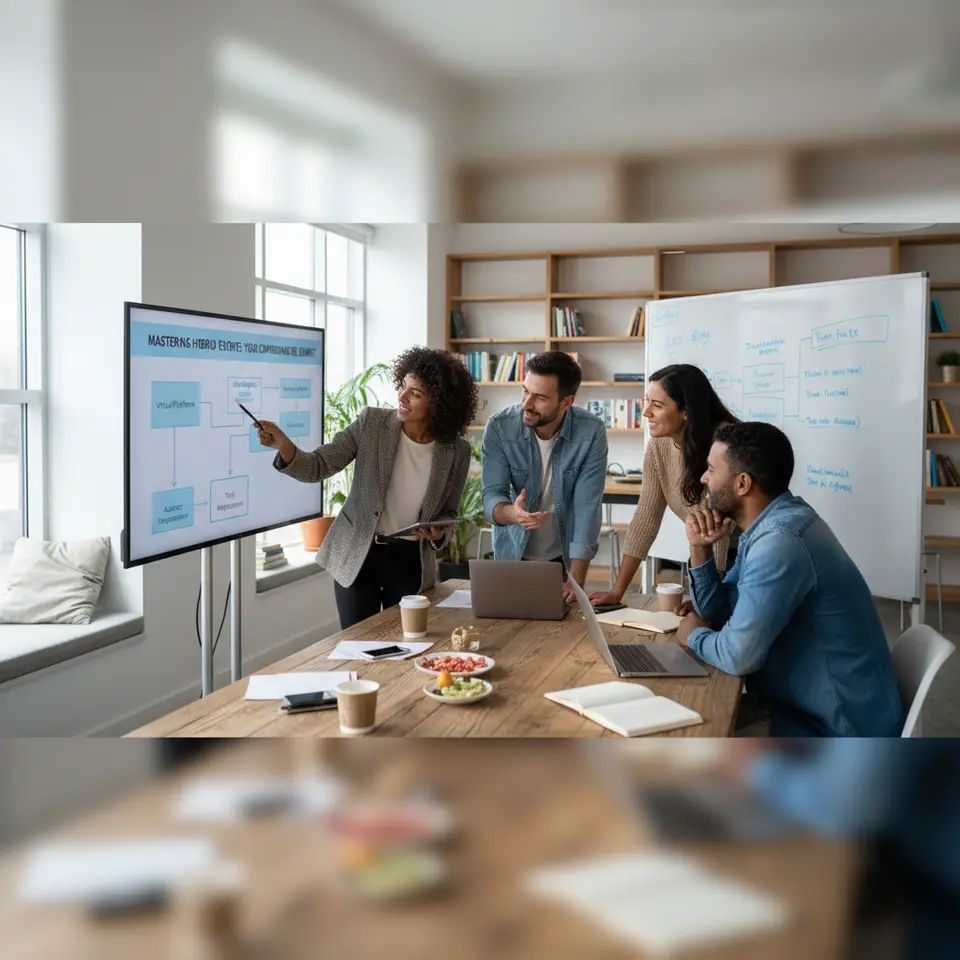
In today’s digital landscape, hybrid events have revolutionized how organizations connect with diverse audiences. As businesses and institutions navigate evolving attendee expectations, combining in-person gatherings with virtual participation offers unparalleled flexibility, reach, and engagement. Currently, planners face the challenge of seamlessly blending two environments while maintaining consistent quality and interactivity for all participants. This guide lays out a comprehensive framework for designing and executing hybrid events that deliver measurable ROI, drive brand impact, and foster meaningful connections.
From initial goal-setting and technology choices to content creation, marketing tactics, and post-event analytics, each step demands careful orchestration. By the end of this article, you’ll have a clear roadmap—complete with best practices, actionable checklists, and links to authoritative resources—to plan successful hybrid experiences today and throughout this year (2026). Whether you’re hosting a corporate conference, academic symposium, or product launch, these insights will ensure both onsite attendees and remote participants feel equally informed, engaged, and valued.
Setting Clear Objectives and Strategic Planning
Every successful hybrid event begins with strategic intent. Before diving into logistics, take time to define precise goals—whether increasing brand awareness, generating qualified leads, or delivering educational content. Establish key performance indicators (KPIs) tailored to both live and virtual audiences, such as registration volumes, session attendance rates, engagement metrics, and lead conversion ratios. These benchmarks create accountability and guide decision-making throughout the planning process.
Identifying Target Audiences
Start by mapping the demographics, interests, and technical capabilities of your intended attendees. Create detailed personas that outline preferences for networking, content consumption, and device usage. For on-site participants, consider location-based needs like travel accessibility, on-campus lodging, and physical comfort. For virtual attendees, factor in time zone differences, internet bandwidth constraints, and user interface familiarity. By understanding both segments deeply, you can tailor messaging, session designs, and support services effectively.
Building a Robust Budget
Hybrid events often require dual investments—physical venue costs and advanced digital infrastructure. Allocate funding for venue rental, staging, lighting, and catering, alongside expenses for streaming platforms, technical support, and backup systems. Don’t overlook marketing and contingency reserves, allowing for last-minute adjustments or emergency equipment replacements. A well-structured budget ensures you can scale features up or down without compromising attendee experience.
Assembling a Cross-Functional Team
Assign clear roles across content development, technical operations, marketing, logistics, and analytics. Effective collaboration between these functions prevents silos and promotes agility when issues arise. Hold regular alignment meetings—either virtual or in-person—to review progress, update task lists, and confirm that both digital and physical tracks are on schedule. This integrated approach underpins flawless execution and maximizes the impact of your hybrid events.
Leveraging the Right Technology Platforms

Choosing an adaptable technology stack is critical for seamless hybrid delivery. Evaluate virtual event platforms that support live streaming, on-demand playback, interactive chat, and Q&A management. Look for features like customizable branding, breakout room capabilities, networking lounges, and exhibitor booths. For on-site production, ensure broadcast-quality audiovisual (AV) equipment, redundant internet connections, and mobile event apps are in place. Integrations between virtual and physical systems enable data sharing and consistent attendee experiences.
Selecting a Streaming Solution
When comparing providers, prioritize reliability and scalability. Test platforms under load conditions similar to your expected audience size. Some solutions offer built-in content delivery networks (CDNs) to maintain stable streams for thousands of concurrent viewers. Others provide tools for embedding live video feeds directly into your website or mobile app. Conduct multiple dry runs—including network failover tests—to prevent disruptions during the live broadcast.
Enhancing Onsite AV Infrastructure
On-location equipment must be capable of capturing high-definition video and crystal-clear audio for remote participants. Deploy multiple camera angles, wireless microphones, and professional mixers to balance sound levels. Confirm that network switches and routers can handle large upload requirements, and install backup modems or satellite connections as safeguards. Reliable infrastructure reduces latency, buffering, and technical hiccups so both audiences enjoy a polished presentation.
Integration and Rehearsals
Bridge your virtual and physical platforms through APIs or native integrations, enabling unified chat channels, synchronized polling, and shared analytics dashboards. Prior to the event, schedule comprehensive technical rehearsals involving speakers, moderators, and AV teams. Document cue sheets, verify user permissions, and simulate emergency scenarios—such as power failures or platform outages—to ensure rapid recovery. A rigorous rehearsal process builds confidence and minimizes live-event risks.
Crafting Compelling Content and Program Structure
The success of hybrid events hinges on engaging, well-balanced programming. Design a content lineup that mixes keynote addresses, panel discussions, interactive workshops, and networking sessions. Balance high-energy presentations with reflective breaks, ensuring both online and onsite participants remain energized and attentive. Tailor certain segments exclusively for each audience—such as in-person roundtables and virtual-only masterclasses—to add unique value.
Interactive Elements
Incorporate live polls, real-time quizzes, and multimedia showcases to stimulate participation. Virtual attendees benefit from breakout rooms where they can engage in targeted discussions, while onsite guests appreciate gamified activities accessible via mobile apps. Gamification elements like badges and leaderboards foster friendly competition and encourage attendees to visit exhibitor booths or complete feedback surveys.
Speaker Preparation
Select speakers adept at addressing dual audiences. Provide them with clear guidelines on camera positioning, microphone etiquette, and engagement strategies—such as posing questions to both physical and remote viewers. Arrange rehearsal sessions to familiarize presenters with the platform’s interactive tools and to refine transitions between live and pre-recorded segments. Well-prepared speakers enhance credibility and smooth content delivery.
On-Demand Content Libraries
Extend the lifespan of your hybrid events by offering session recordings in an on-demand portal. Curate playlists based on industry themes or attendee interests, and enable search functionality for quick access. This approach not only drives additional registrations but also serves as a resource hub that reinforces key messages long after the live dates conclude.
Effective Marketing Techniques for Dual Audiences
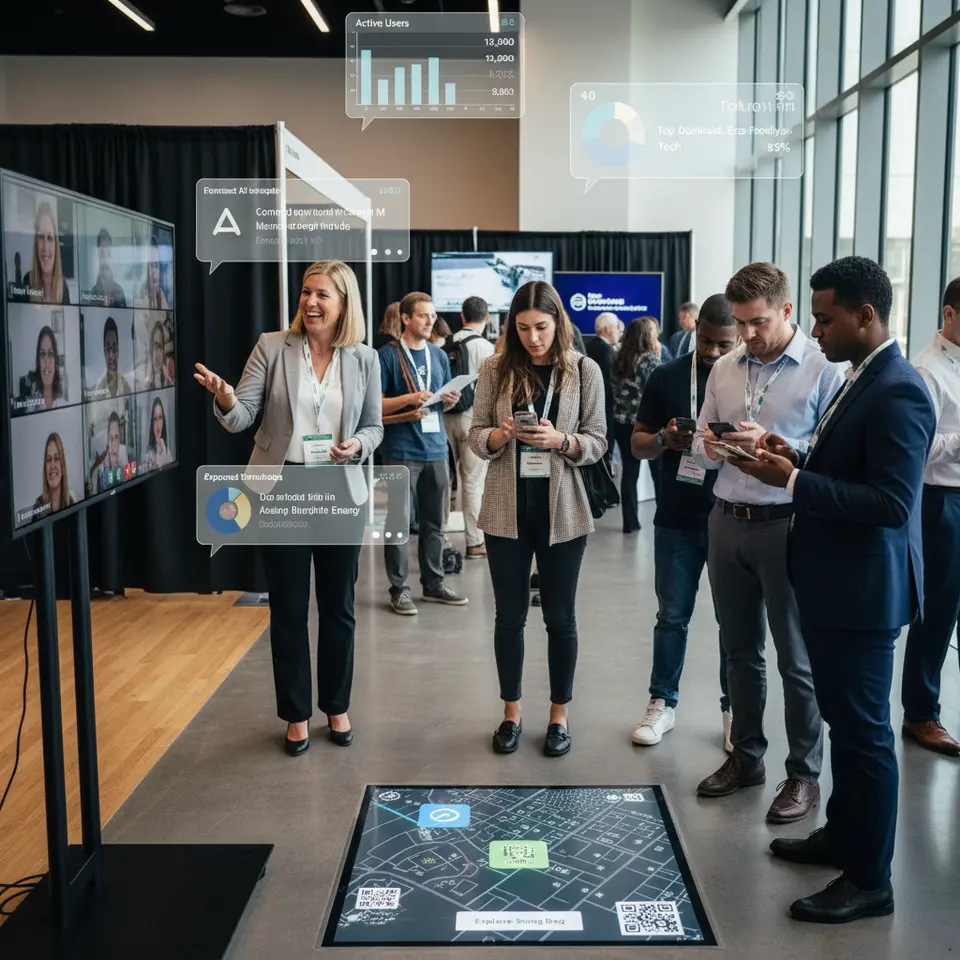
Marketing hybrid events requires a bifurcated strategy that speaks to both onsite and virtual prospects. Develop segmented campaigns highlighting the distinct benefits of each format—networking and immersive experiences for live attendees, and convenience plus accessibility for remote participants. Employ multi-channel outreach including email marketing, social media ads, and content partnerships to amplify reach.
Data-Driven Targeting
Leverage audience insights from previous campaigns and web analytics to refine your messaging. According to research from the Pew Research Center, personalized invitations can boost registration rates by more than 20%. Use A/B testing to optimize subject lines, calls to action, and promotional visuals. Monitor click-through rates in real time and adjust ad spend to capitalize on high-performing segments.
Incentives and Early-Bird Offers
Drive urgency by offering early-bird pricing tiers and exclusive virtual-only sessions for remote registrants. For live attendees, promote limited-capacity networking dinners, VIP meet-and-greets, or behind-the-scenes tours. Countdown timers and targeted reminder emails can further incentivize quick decision-making and reduce drop-off rates.
Social Proof and Partnerships
Showcase testimonials from past hybrid events to build credibility. Collaborate with industry influencers, academic institutions, or government bodies to co-host sessions or share promotional content. These endorsements add an authoritative voice and expand awareness to new networks.
Enhancing Engagement and Seamless Onsite Coordination
Maintaining high engagement for hybrid events demands coordinated tactics both online and on the ground. Utilize AI-driven matchmaking tools that connect attendees based on shared interests, enabling one-on-one chats or group meetups. Offer downloadable resources, digital swag, and interactive floor maps accessible via QR codes to guide onsite participants. For virtual audiences, provide live chat support and networking lounges staffed by event ambassadors.
Health, Safety, and Flow Management
Implement protocols that prioritize attendee wellbeing. Refer to guidelines from the Centers for Disease Control and Prevention to manage crowd densities, sanitation stations, and emergency response plans. Clear signage and trained staff help direct foot traffic and minimize bottlenecks, ensuring a smooth experience for every guest.
Real-Time Analytics and Moderation
Deploy dashboards that display live metrics—session attendance, chat activity, polling results, and lead captures. Empower moderators to surface top questions for speakers and to announce trending topics. Rapid response to engagement dips through pop-up polls or surprise giveaways keeps energy levels high and underscores a responsive event culture.
Post-Event Follow-Up
Close the loop by sending segmented thank-you emails featuring session highlights, survey links, and on-demand content. Provide sponsors with detailed performance reports to demonstrate ROI and to set the stage for future collaborations. Gathering feedback from both in-person and virtual participants allows you to refine approaches and elevate experiences for upcoming hybrid events.
Frequently Asked Questions
What are the key benefits of a hybrid event?
Hybrid events combine the reach of virtual participation with the engagement of in-person gatherings, offering flexibility, cost optimization, and enhanced data insights. They enable organizers to access broader audiences while still providing immersive onsite experiences.
How do I choose the right technology platform for my hybrid event?
Evaluate platforms based on scalability, reliability, interactive features (chat, polling, breakout rooms), and integration capabilities with onsite AV systems. Conduct load tests and rehearsals to ensure the platform can handle your expected audience size.
What strategies can boost engagement for both onsite and remote attendees?
Incorporate interactive elements like live polls, Q&A sessions, gamification, and networking tools. Use AI-driven matchmaking, digital swag, and on-demand content libraries to keep participants active and connected across both environments.
Which metrics should I track to measure the success of my hybrid event?
Track registration numbers, session attendance, engagement rates (chat activity, poll responses), lead conversions, and on-demand content views. Compare these KPIs against your initial objectives to assess ROI and inform future planning.
Conclusion
Hybrid events represent the frontier of modern gatherings—offering unmatched flexibility, scalable engagement, and actionable insights. By establishing clear objectives, selecting robust technology, curating compelling content, deploying targeted marketing, and orchestrating meticulous logistics, you can deliver immersive experiences that resonate with both onsite and remote attendees. In today’s competitive environment, embracing the hybrid model empowers your organization to expand reach, optimize budgets, and foster authentic connections across geographical boundaries. Use this guide as your blueprint to craft successful hybrid events that drive measurable outcomes and position your brand at the forefront of innovation this year (2026).