
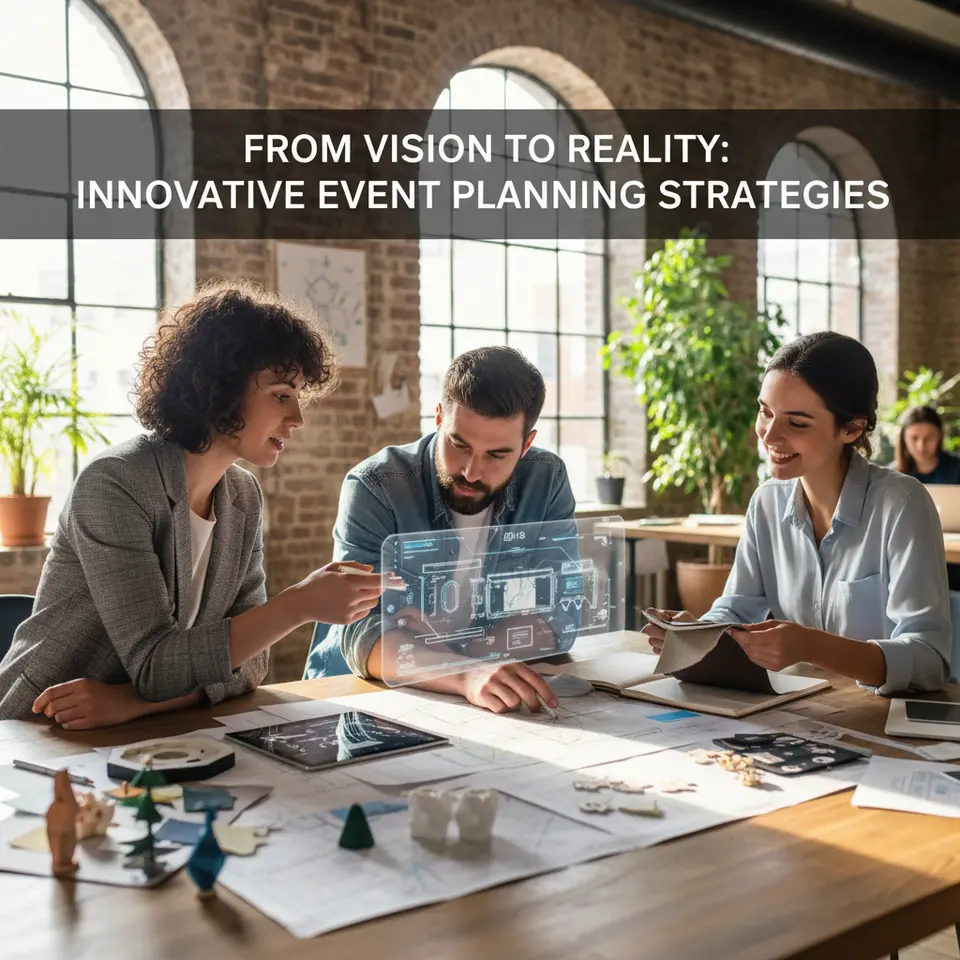
In today’s digital landscape, delivering exceptional gatherings requires more than a simple venue booking or basic live stream. Companies and organizations that embrace innovative event planning strategies can create hybrid and virtual experiences that resonate with both in-person attendees and remote participants. This year (2026), planners must navigate evolving audience expectations, shifting technology, and an increased demand for accessibility and sustainability. By weaving together clear objectives, compelling content, and the latest tools, event professionals can transform visions into memorable realities.
Our comprehensive guide will walk you through each step of the process, from mapping attendee journeys to leveraging data for continuous improvement. Whether you are organizing a large-scale conference, a corporate summit, or a niche workshop, these insights will help you craft seamless experiences that drive engagement, foster connections, and maximize return on investment. Let’s explore how you can adopt innovative event planning strategies to deliver standout hybrid and virtual events in today’s competitive environment.
Understanding Hybrid Events
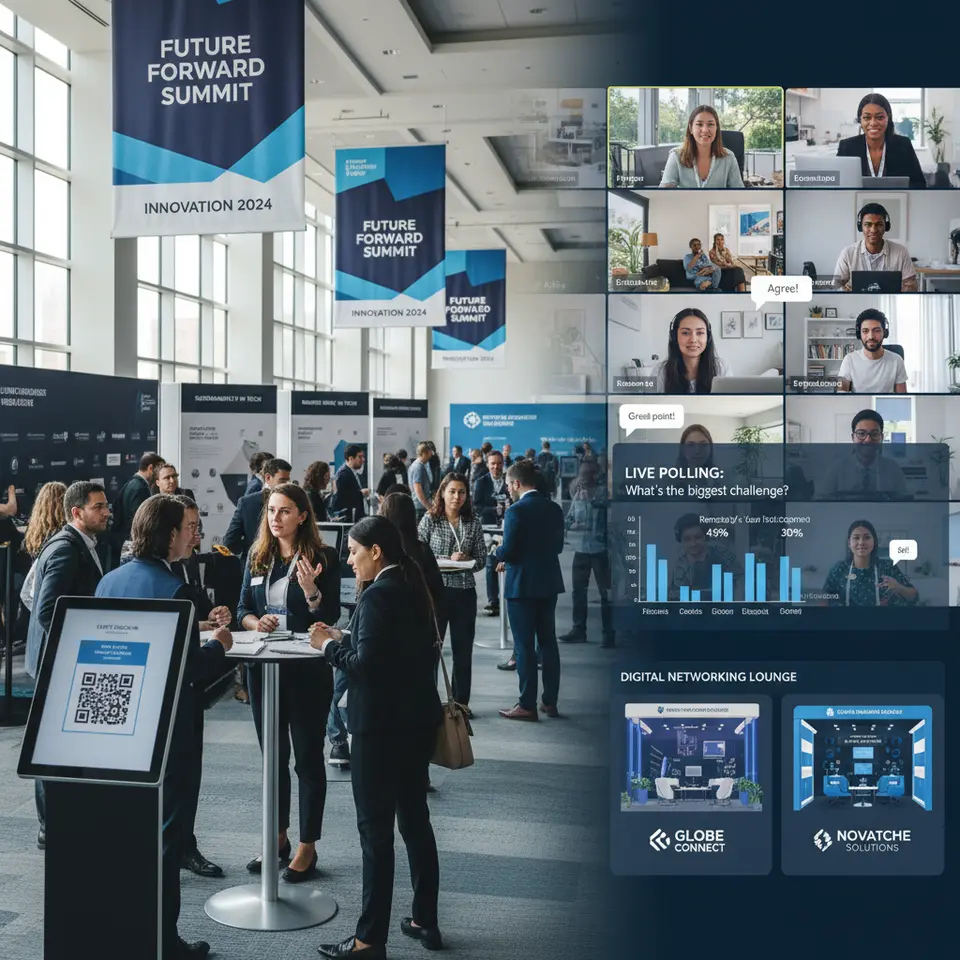
Hybrid events combine the energy of live gatherings with the flexibility of virtual participation. When executed well, they broaden reach, increase sponsorship value, and capture richer engagement data. In today’s digital landscape, attendees expect personalized experiences regardless of their location. To meet these expectations, planners should start by mapping the complete attendee journey—tracking touchpoints for both on-site guests and online users.
On the in-person side, factors such as venue layout, signage clarity, and registration flow play a crucial role in shaping first impressions. A streamlined check-in process using QR codes and self-service kiosks can reduce lines and enhance satisfaction. Simultaneously, remote participants require a reliable streaming platform, intuitive interface, and interactive features like live polling or chat rooms. Investing in adaptive bitrate streaming ensures that viewers with varying internet speeds receive smooth playback without compromising quality.
A critical component of hybrid formats is creating parity between audiences. For example, during a keynote session, moderators can monitor live and virtual questions, alternating between them to ensure equal representation. Interactive breaks can feature digital networking lounges where remote attendees mingle in small-group video calls, while on-site guests convene at themed stations. Providing custom-branded virtual booths allows sponsors to showcase products globally, and offering downloadable resources strengthens brand presence for all participants.
Hybrid models unlock powerful analytics opportunities. By integrating your registration system, event app, and engagement tools, you can track metrics such as session attendance, chat interactions, and resource downloads in real time. This data empowers your team to make informed tweaks during the event and informs strategy for future gatherings. According to research from the Massachusetts Institute of Technology https://www.mit.edu, organizations that leverage real-time data gain a competitive edge by adapting to attendee needs on the fly.
Embracing hybrid events as a strategic growth lever rather than a contingency plan prepares you for an unpredictable business environment. By balancing technical execution with human-centered design, you can create immersive experiences that captivate both physical and virtual audiences.
Defining Clear Objectives and KPIs
Every successful event begins with clearly defined goals. Are you looking to generate qualified leads, enhance brand awareness, facilitate networking, or deliver professional development credits? In today’s landscape, ambiguity around objectives can lead to misaligned resources and missed opportunities. Start by articulating primary outcomes—such as securing 1,500 registrations or driving 500 product demos—and secondary goals like social media mentions or survey completion rates.
Once objectives are in place, align them with measurable key performance indicators (KPIs). For instance, if lead generation is your priority, track form submissions, chat engagement, and resource downloads. If brand visibility is central, monitor hashtag reach, influencer mentions, and media coverage. Leveraging an analytics dashboard that consolidates data from email platforms, social channels, and your event management system ensures you capture a holistic view of performance.
Regular check-ins foster accountability and agility. Host weekly or biweekly team meetings to review progress against KPIs, identify roadblocks, and reallocate resources where they will drive the greatest impact. Encourage collaboration between marketing, production, and speaker relations to ensure messaging, technical setup, and content align closely with objectives.
Embedding data-driven decision-making into your planning culture enables midstream course corrections. If registration falls short, intensify targeted ad campaigns on platforms like LinkedIn or Facebook, using A/B testing to refine creative. If engagement dips mid-event, introduce spontaneous Q&A segments or gamified challenges to reenergize audiences. Documenting these adjustments and their outcomes in an internal playbook creates a feedback loop that accelerates learning.
Establishing clear objectives and KPIs up front anchors your team’s efforts and maximizes the likelihood that each component—content, technology, logistics—contributes to a cohesive, high-impact experience.
Crafting Engaging Content and Agenda
Compelling content lies at the heart of innovative event planning strategies. A well-structured agenda balances keynote sessions, panel discussions, interactive workshops, and networking breaks to maintain energy levels and cater to varied learning preferences. In today’s digital landscape, attention spans are shorter, so intersperse rich presentations with live polls, real-time Q&A, and hands-on demonstrations.
Start by identifying themes that resonate with your audience and align with organizational goals. Collaborate with subject-matter experts and thought leaders to develop session outlines that blend data-driven insights with storytelling. Provide clear speaker guidelines on timing, slide design, and audience interaction to standardize quality across sessions. Encouraging presenters to integrate case studies and visual aids enhances retention and fosters deeper connections.
Time zone considerations are critical for hybrid formats. Schedule high-profile sessions during windows that maximize live attendance across regions. For participants in other zones, offer on-demand recordings and highlight key takeaways in follow-up emails. Communicate session times in local time zones and UTC to eliminate confusion, and automate reminders via email and push notifications within your event app.
Interactive workshops and breakout rooms empower attendees to apply concepts in small groups. Whether facilitated virtually or on-site, these sessions should have clear objectives, predefined discussion prompts, and designated moderators to guide conversations. Tools like digital whiteboards or shared documents enable collaboration, while live transcripts and closed captions ensure accessibility.
Don’t underestimate the power of informal interactions. Incorporate virtual coffee chats or physical lounge areas with branded touchpoints. Provide a digital bulletin board where attendees can post introductions, questions, or resource links. By fostering a sense of community both on-site and online, you reinforce engagement and drive long-term loyalty.
Choosing the Right Technology Stack
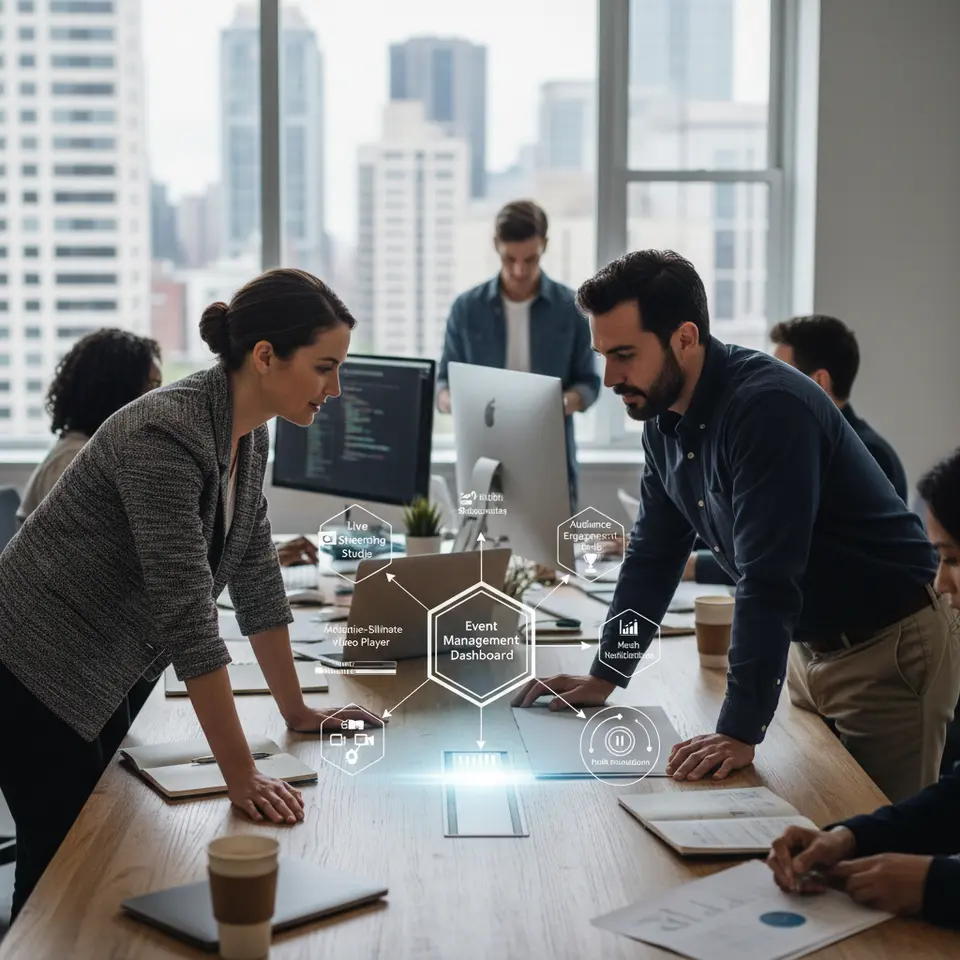
Selecting a cohesive technology ecosystem is vital for seamless hybrid and virtual experiences. Your stack should include a robust event management platform, live streaming solution, audience engagement tools, and an analytics dashboard. Evaluate vendors based on reliability, scalability, and ease of integration to avoid fragmented technology under pressure.
When assessing virtual event platforms, prioritize features like multi-camera switching, adaptive bitrate streaming, and built-in networking lounges. Look for audience engagement modules such as polling, live chat, and gamification elements. Platforms that offer virtual exhibitor booths or sponsor showcases simplify monetization and help maintain brand consistency.
Integration capabilities are non-negotiable. Single sign-on (SSO) functionality across registration, content libraries, and engagement tools reduces login friction for attendees. Seamless data flow between your CRM, registration portal, and analytics system allows real-time monitoring of registrations, session attendance, and engagement metrics.
Mobile applications play an increasingly critical role. A dedicated event app serves as a central hub for agendas, speaker bios, networking matchmaking, and venue maps. Push notifications drive attendance at key sessions, and in-app messaging connects attendees with shared interests. For on-site guests, QR-based check-in and interactive floor plans enhance navigation and reduce wait times.
Don’t overlook back-end considerations such as bandwidth requirements, content delivery networks (CDNs), and support infrastructure. Partner with providers offering 24/7 technical support and redundancy to mitigate potential disruptions. Conduct thorough tech rehearsals with your production team and external vendors to validate workflows and troubleshoot issues before go-live.
By building an integrated, user-friendly technology stack, you ensure that innovative event planning strategies translate into flawless execution and memorable attendee experiences.
Effective Promotion and Communication
A compelling marketing and communication plan is essential to fill both physical seats and virtual viewports. In today’s competitive market, crafting clear, targeted messaging helps you reach distinct audience segments while reinforcing a unified brand voice.
Begin with audience segmentation based on personas such as corporate decision-makers, technical practitioners, or early-career professionals. Tailor email campaigns to each segment, highlighting the aspects of your program most relevant to their needs. For example, send personalized invitations to VIP guests with offers for concierge registration or private roundtables.
Leverage social media channels to expand reach. Create shareable content like speaker spotlights, behind-the-scenes teasers, and testimonial videos. Utilize paid social ads with retargeting to re-engage website visitors who viewed the agenda but did not register. A/B test headlines, creative variations, and call-to-action buttons to optimize conversion rates.
Partnerships with industry associations or academic institutions can drive credibility and extended promotion. For instance, collaborating with a recognized research organization or government agency such as the US Access Board https://www.ada.gov increases visibility among stakeholders committed to accessibility. Feature expert endorsements or co-branded materials to bolster trust.
Maintain a consistent communication cadence leading up to your event. Schedule a series of countdown emails that include session highlights, speaker introductions, technical tips for virtual attendees, and reminders about registration deadlines. Use SMS alerts sparingly for last-minute updates or urgent notifications to mobile users.
Finally, provide a centralized resource center on your website or app where registrants can access FAQs, tutorial videos, and contact information for support. Transparency about event logistics, code of conduct, and technical requirements reduces uncertainty and strengthens attendee confidence.
FAQ
Q: What are the primary benefits of hosting a hybrid event?
A: Hybrid events expand your reach by combining in-person engagement with virtual accessibility, enhance sponsorship opportunities through digital booths, and provide richer analytics for data-driven decisions.
Q: How do I ensure virtual attendees feel as engaged as on-site participants?
A: Use interactive tools such as live polling, Q&A moderation that alternates between audiences, virtual networking lounges, and real-time chat features to foster equal participation.
Q: What KPIs should I track to measure hybrid event success?
A: Track registrations, session attendance rates, engagement metrics (polls, chat interactions), resource downloads, social media mentions, and lead generation data aligned with your objectives.
Q: Which technologies are essential for seamless hybrid events?
A: A cohesive stack should include an event management platform, reliable streaming solution with adaptive bitrate, audience engagement tools (polling, gamification), mobile event app, and integrated analytics dashboard.
Conclusion
Implementing innovative event planning strategies empowers you to deliver dynamic, hybrid experiences that captivate both on-site and remote audiences. By defining clear objectives, crafting compelling content, and building an integrated technology stack, you set the stage for exceptional engagement and measurable results. Effective promotion and seamless communication further ensure that your vision becomes a reality in today’s digital-first environment.
As you prepare for your next event this year (2026), remember to foster accessibility, prioritize sustainability, and leverage data to continuously refine your approach. In today’s competitive landscape, the organizations that blend creative thinking with technical excellence will stand out as true innovators. Now, apply these strategies to your planning process, measure your outcomes, and elevate your events to new heights.