


In today’s digital landscape, hosting memorable and impactful experiences often hinges on one critical element: sustainability. As organizations strive to deliver immersive moments for audiences, planning sustainable events has become a top priority. Attendees now expect more than just eye-catching visuals and seamless logistics; they seek ethically driven practices that reduce environmental impact without sacrificing engagement or excitement. This balance between social responsibility and cutting-edge technology is transforming the event industry.
Currently, integrating eco-conscious strategies into live and virtual gatherings is essential. Whether you’re managing a corporate summit, launching a new product, or organizing a community festival, the blueprint for success rests on clear objectives, green venues, and effective resource management. With the rapid advances in hybrid solutions, planners must leverage both physical stages and digital platforms to broaden reach while conserving resources.
This comprehensive guide outlines every step for orchestrating sustainable events this year (2026). We will explore how to define measurable goals, select eco-certified venues, craft budgets that prioritize green investments, design engaging programming, and partner with responsible vendors. By following these best practices, you can reduce waste, lower carbon footprints, and delight attendees with forward-thinking formats.
From today’s early concept meetings through post-event reporting, you’ll discover proven methods and useful tools to ensure both memorable experiences and environmental stewardship. Let’s dive into the strategies that will make your next gathering the pinnacle of innovation and sustainability.
Defining Goals and Green Objectives
Every successful event begins with clearly defined goals. Before establishing dates or booking venues, assemble your core team to agree on the primary outcomes you want to achieve—brand awareness, ticket sales, educational impact, or community engagement. In tandem with these business targets, outline your environmental ambitions. This dual focus ensures your strategy advances both organizational and ecological priorities.
Adopt the SMART framework—Specific, Measurable, Achievable, Relevant, Time-bound—to shape your sustainable events roadmap. For instance, you might aim to reduce single-use plastics by 70% compared to previous gatherings, or secure 100% renewable energy to power activities. By setting precise benchmarks, you can monitor progress and adjust tactics as needed.
Consider examples such as diverting 60% of waste to composting facilities, sourcing all catering ingredients from local producers, or achieving a recognized zero-waste certification. Making these targets visible to sponsors and attendees fosters accountability and reinforces your brand’s environmental commitment. Communicate objectives through pre-event materials and on-site signage to keep everyone aligned.
Leverage project management platforms like Asana or Trello to assign responsibilities for each sustainability goal, track deliverables, and share updates in real time.
Assign individual team members as ‘green champions’ responsible for specific metrics—waste management, energy usage, or digital collateral distribution. This structure distributes ownership and prevents bottlenecks.
Regularly review your KPIs in weekly check-ins, adjusting the scope of renewable sourcing or digital engagement tactics as necessary. By embedding sustainability into every milestone—from concept approval through vendor selection—you maintain a cohesive vision and demonstrate that eco-conscious planning is integral, not peripheral.
Finally, prepare a transparent sustainability brief for stakeholders and sponsors. Outline your core goals, anticipated challenges, and the environmental impact you intend to achieve. This clarity builds trust, attracts green-minded partners, and sets the stage for a high-impact, eco-friendly experience.
Selecting Eco-Certified Venues for Hybrid Experiences
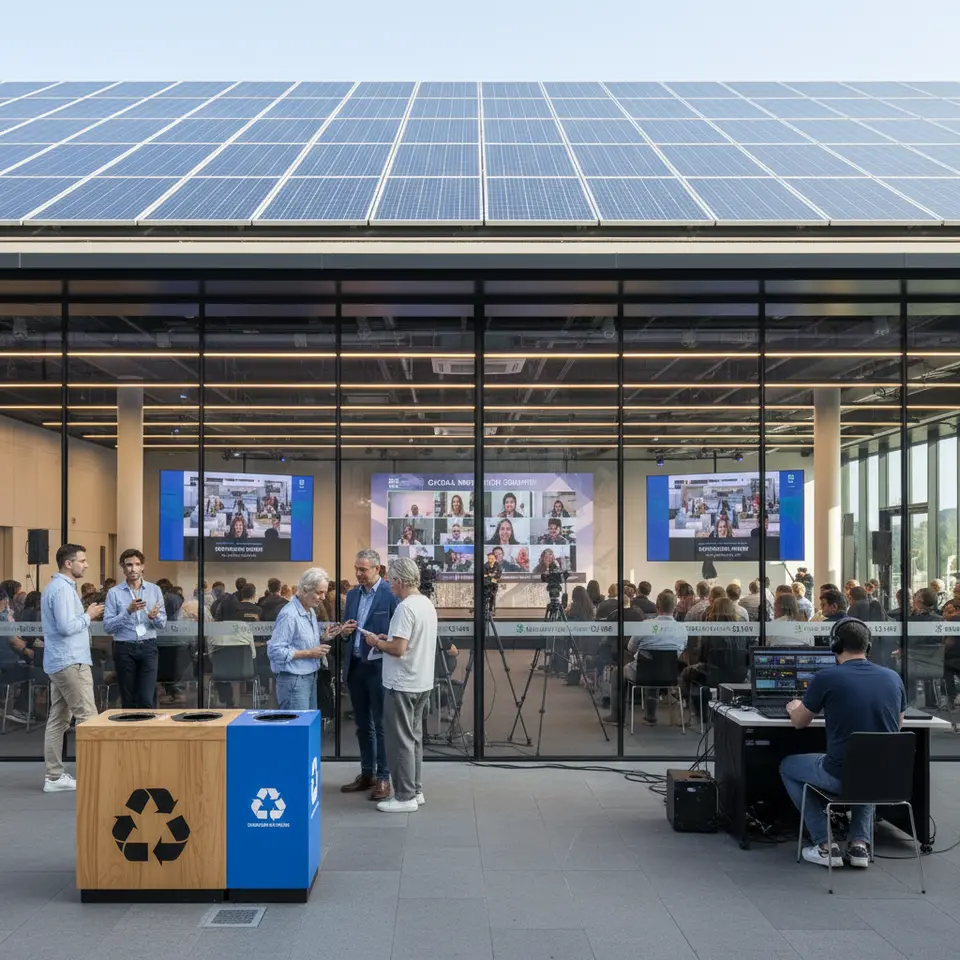
Venue choice has a profound effect on the carbon footprint and overall attendee experience of your event. When planning sustainable events, prioritize locations that hold recognized green certifications, such as LEED (Leadership in Energy and Environmental Design) or the Green Globe standard. These credentials indicate rigorous energy-efficiency measures, waste reduction practices, and water-conservation systems.
Look for venues that currently operate on renewable power sources or maintain robust onsite recycling and composting programs. Institutions like the USGBC and government resources at the EPA provide databases to identify high-performance facilities. Accessing these directories helps you shortlist properties that align with your sustainability objectives.
As hybrid models dominate in today’s environment, ensure physical sites offer reliable high-speed internet, redundant connectivity options, and professional AV support for seamless live streaming. The venue should accommodate multiple breakout spaces for in-person attendees while enabling virtual participants to engage through interactive features—virtual lounges, live polling, and real-time Q&A. This balance expands reach without greatly increasing resource consumption.
Evaluate accessibility as part of your selection criteria. ADA-compliant entrances, multi-language support, and live captioning services make your event inclusive and broaden attendance. Inclusivity aligns with sustainability by fostering social well-being alongside environmental care.
Factor in local partnerships when vetting venues. Properties that collaborate with neighborhood caterers committed to compostable materials, or those sourcing produce from nearby farms, amplify your green messaging. Ask potential venues for data on waste diversion rates and energy usage to confirm their claims. Transparent reporting from the site can feed directly into your post-event impact analysis.
Finally, negotiate flexible contracts that allow you to scale up or down based on registration trends. This agility minimizes unnecessary space, catering, and equipment rentals, reducing both costs and environmental strain. By choosing an eco-certified venue with hybrid capabilities, you set a solid foundation for memorable, low-impact gatherings.
Budget Planning with Sustainability at the Core
Building a detailed budget that incorporates eco-initiatives ensures financial transparency and aligns spending with sustainability targets. Start by categorizing expenses into essential buckets: venue and AV technology, production equipment, catering, marketing, sustainability measures, and staffing. Clearly distinguish green investments—carbon offsets, renewable energy fees, or zero-waste certifications—from conventional line items.
Use dynamic budgeting platforms such as Monday.com or Smartsheet to distribute real-time updates across your team. Assign cost centers to each sustainability goal—waste diversion, digital collateral production, or local sourcing—and track variance against estimates. This approach helps you reallocate funds swiftly if one area underperforms or offers greater impact.
In the catering category, prioritize locally sourced, plant-based menus. While these options may carry premium rates, the long-term reputational benefits and potential waste reductions often offset additional costs. Negotiate with suppliers to supply reusable service ware or compostable plates and utensils. Many caterers offer tiered eco-packages that bundle waste management and carbon-neutral delivery.
In the production equipment section, allocate funds for LED lighting, solar-powered generators, or energy-efficient HVAC adjustments. Though initial expenses may be higher, these technologies typically reduce utility fees and align with sponsor branding opportunities. Document anticipated ROI for each green technology to justify the line item to stakeholders.
Marketing budgets should favor digital channels over print to minimize paper consumption. Invest in email automation, social media advertising, and SEO-driven blog content. When physical materials are necessary, use recycled or FSC-certified paper and soy-based inks. Document the percentage of recycled content to enrich your impact report.
Remember to set aside a dedicated fund for carbon offsets, purchasing credits that compensate for unavoidable emissions. Collaborate with reputable registries—such as those recognized by the UN Climate Change program—to validate your investments. By embedding sustainability costs into the core budget, you avoid last-minute compromises and establish credibility with eco-conscious attendees and sponsors.
Crafting Engaging and Eco-Conscious Programming
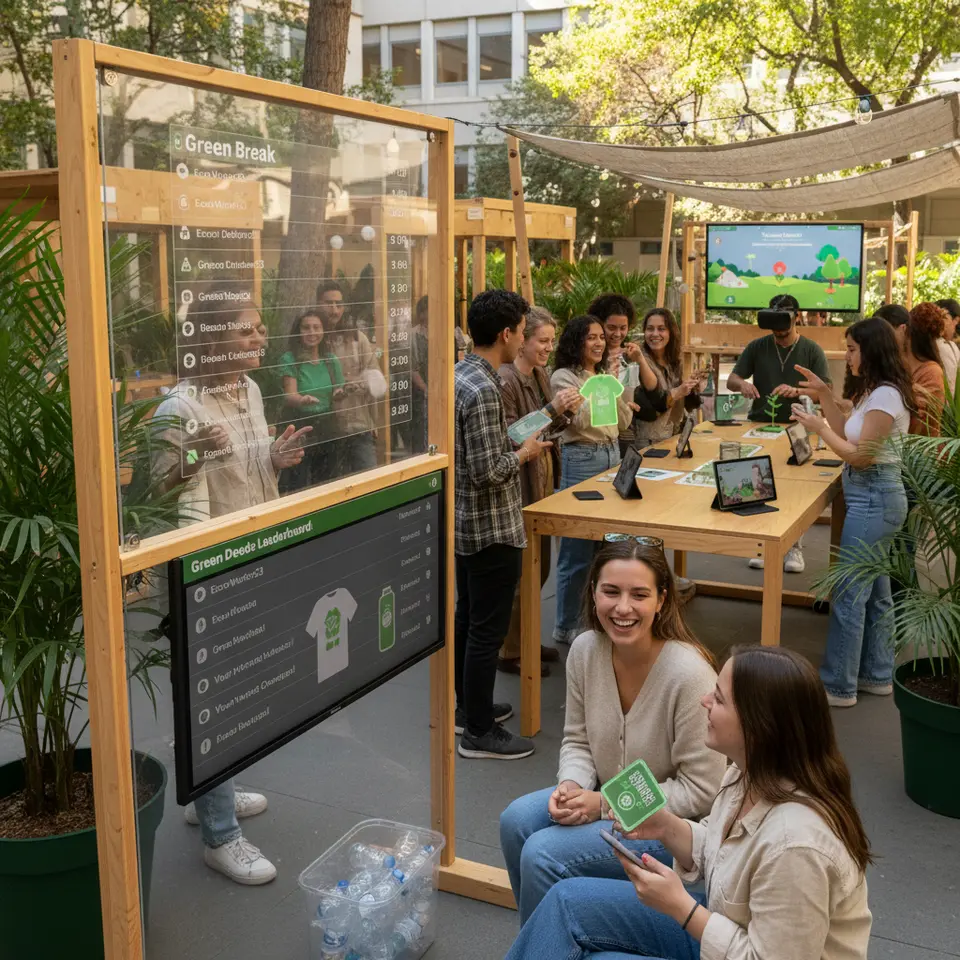
Effective programming captivates attendees while reinforcing your sustainability narrative. Begin by curating keynote sessions that showcase industry leaders in green innovation, circular economy strategies, and cutting-edge eco-technologies. Interactive workshops can teach participants how to calculate carbon footprints or implement zero-waste practices within their own organizations.
In today’s hybrid world, gamification drives engagement and promotes sustainable behavior. Introduce challenges that reward attendees with digital points or badges for recycling on-site, attending eco-focused panels, or participating in virtual networking lounges. Display live leaderboards via your event app to spark friendly competition.
Opt for digital swag instead of physical giveaways. Offer NFT-based certificates, downloadable sustainability toolkits, or branded AR filters. This approach trims shipping emissions and warehousing costs, while still delivering memorable takeaways. For custom merchandise, work with suppliers who use upcycled materials or organic fabrics.
Facilitate meaningful connections with AI-powered matchmaking features in your mobile app or virtual platform. Attendees can specify interests—such as renewable energy, waste management, or sustainable design—and receive recommendations for peers, exhibitors, and sessions. This targeted networking maximizes ROI and reinforces your event’s eco-centric mission.
Integrate environmental impact messaging throughout the agenda. Schedule short “green breaks” where participants plant virtual trees or engage in micro-volunteering activities between sessions. These moments build a sense of collective achievement and highlight your commitment to action.
Finally, capture insights through real-time analytics. Monitor session attendance, virtual engagement, app interactions, and social media mentions of your event hashtag. Cross-reference these metrics with your sustainability KPIs to reveal correlations—perhaps the greenest sessions also drove the highest satisfaction scores. These findings can inform future editions and strengthen sponsor reporting.
Partnering with Green Vendors and Sponsors
Selecting the right partners is essential for executing sustainable events at scale. Begin by vetting potential vendors for recognized eco-certifications—ISO 20121 for sustainable event management, Forest Stewardship Council (FSC) labels for paper products, or Fair Trade seals for catering ingredients. These credentials verify that suppliers adhere to rigorous environmental and social standards.
When assessing caterers, prioritize companies that offer zero-waste menus and composting services. Seek confirmation that they measure and report food waste volumes. For décor and signage, contract with firms that repurpose materials or use biodegradable components. Many rental companies now provide upcycled furniture and digital signage solutions to eliminate single-use prints.
Collaborate with technology vendors who share your green ethos. Registration platforms can offer digital ticketing only, eliminating paper badges. Production crews should employ energy-efficient AV equipment and practice responsible power management. Agree on clear policies for equipment returns, encouraging reuse or donation of rented items post-event.
Engage sponsors that value sustainability. Co-create branded content highlighting joint environmental initiatives—case studies of past eco-friendly projects or commitments to reduce corporate emissions. This approach deepens sponsor engagement and attracts attendees who prioritize responsible business practices.
Negotiating partnership agreements should include clauses on environmental performance. Require vendors to provide post-event data on resource usage, waste diverted, and emissions offset. These metrics feed directly into your final impact report, showcasing the collective achievements of your event ecosystem.
Highlight sustainable partnerships across your marketing channels. Feature vendor profiles on your website, tag them in social posts, and include eco-stories in your email campaigns. This transparency builds credibility, drives positive press, and encourages continuous improvement across your supply chain.
FAQ
What certifications should I look for when selecting a venue?
When choosing a venue, prioritize sites with LEED, Green Globe, or local green building certifications. These credentials ensure energy efficiency, waste reduction practices, and water conservation measures are in place.
How can I offset the carbon footprint of my event?
Allocate budget for carbon offsets through reputable registries recognized by the UN Climate Change program. You can invest in certified forestry projects or renewable energy initiatives to counterbalance unavoidable emissions.
What strategies engage virtual attendees sustainably?
Use digital swag, AI-driven networking, gamification, and live polling to involve remote participants. These methods reduce physical materials while offering interactive experiences.
Conclusion
Planning sustainable events in today’s fast-paced environment demands intentionality at every stage—from goal setting through vendor partnerships. By defining clear objectives, selecting eco-certified venues, constructing budgets with green investments, crafting engaging programming, and aligning with responsible suppliers, you can reduce environmental impact without compromising attendee experience. This year (2026), your commitment to sustainability will resonate with participants, sponsors, and communities alike, empowering you to lead the industry toward a more resilient future.
Embrace these strategies in your next project to create unforgettable, low-impact gatherings that inspire action and demonstrate the potential of purposeful event design. With thorough planning and the right partners, you’ll craft events that not only captivate audiences but also champion environmental stewardship in a meaningful way.