

Planning an outstanding gathering in today’s fast-paced environment demands precision, creativity, and a robust framework. As professionals look ahead to crafting memorable experiences, the term “event planning blueprint” has emerged as a guiding principle. This comprehensive guide unpacks actionable steps, ensuring your next occasion stands out in today’s digital landscape. Whether you’re organizing a corporate seminar, a community fair, or an immersive hybrid conference, mastering each phase from vision to execution is critical. In this article, you will discover how to set measurable objectives, develop a detailed roadmap, leverage cutting-edge technology, design a powerful marketing plan, and deliver seamless on-site operations. Along the way, we’ll reference authoritative resources like the CDC and Harvard University to reinforce best practices and data-driven insights.
Throughout this year (2026), the event industry has become increasingly data-informed and attendee-centric. Crafting an event planning blueprint aligns your team around clear milestones, reduces risk, and maximizes impact. By the end of this piece, you will have a step-by-step framework ready to tailor for your unique audience and objectives. Let’s dive in and explore how to transform your event vision into an unforgettable reality.
Crafting a Clear Vision for Your Next Event in Today’s Digital Landscape
Every successful event begins with a well-defined vision that drives every decision you make. Start by articulating why the gathering exists and who will benefit most. To ensure your purpose resonates, apply the SMART criteria—Specific, Measurable, Achievable, Relevant, and Time-bound—to sharpen your focus. For example, instead of stating “we want more attendees,” consider “we aim to attract 300 industry professionals and achieve an 85% satisfaction rate by event end.” This level of precision helps your entire team align on key outcomes.
Next, identify your core objectives. These goals might include increasing brand awareness, generating qualified leads, fostering networking opportunities, or showcasing new products. Ranking objectives by priority can help allocate resources more effectively. For instance, if lead generation is paramount, you might invest additional budget in targeted promotions and post-event follow-up tools. Conversely, if community engagement is the focus, consider hosting interactive workshops or panel discussions that encourage participation.
Understanding your audience is equally crucial. Conduct surveys, analyze past attendance data, and study market trends to gain insights into preferences, pain points, and expectations. Platforms like the United Nations report on community engagement can provide valuable benchmarks for large-scale gatherings. By mapping attendee personas, you ensure that every aspect—from content format to logistical support—speaks directly to their needs.
Finally, solidify your vision in a concise vision statement or executive summary. Share this document with stakeholders and external partners to maintain clarity and accountability. As you refine your event planning blueprint, revisiting these foundational principles will keep your project on track, cohesive, and aligned with your strategic priorities.
Building a Detailed Roadmap: Project Planning Essentials
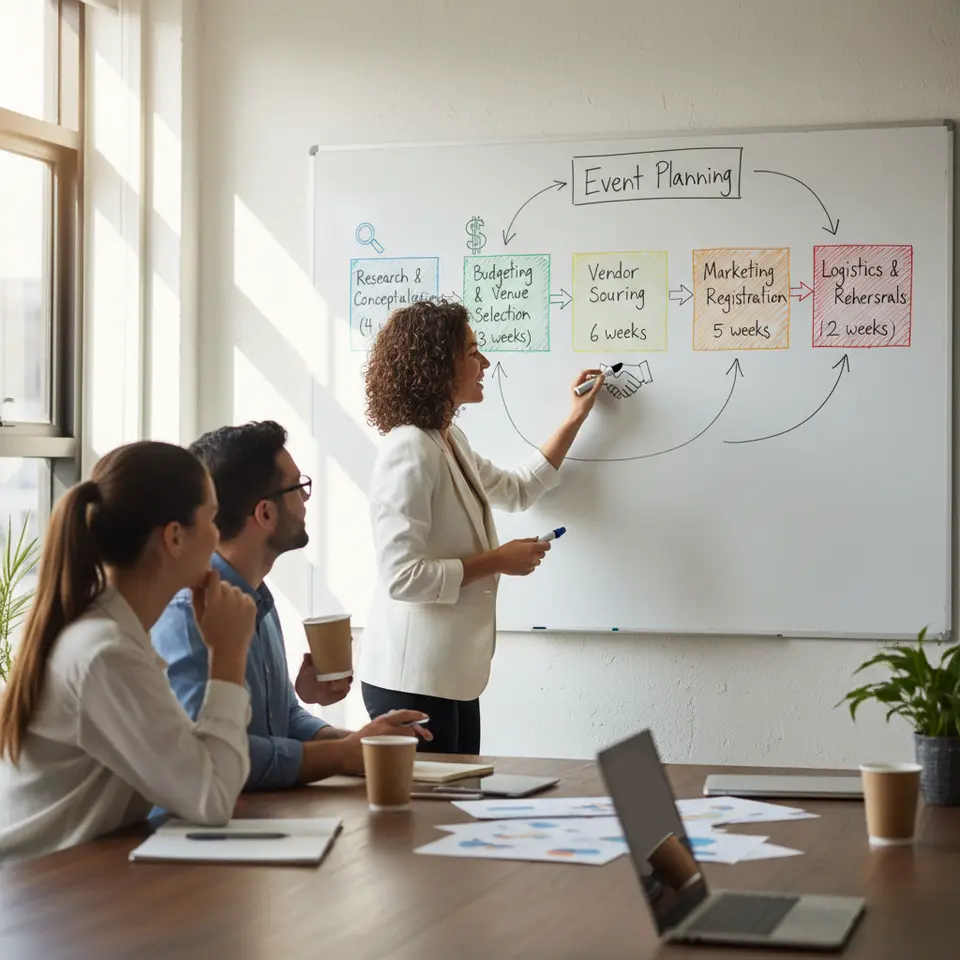
Once the vision and goals are locked in, the next step in your event planning blueprint is to construct a granular roadmap. Break the entire process into manageable phases, each with clear deliverables, timelines, and responsible team members. This stage often involves task management tools like Asana, Trello, or Microsoft Project to visualize dependencies and critical paths.
Begin with a research and conceptualization phase, which typically lasts two to four weeks. During this period, gather competitive benchmarking data, refine your theme, and validate concepts with focus groups or advisory boards. Document insights and decisions in a central repository so all stakeholders can track progress.
The budgeting and venue selection stage follows, spanning three to six weeks. Develop a comprehensive budget that accounts for venue rental, staffing, catering, audiovisual equipment, marketing, technology platforms, and contingency funds. Conduct site visits, negotiate contracts, and confirm logistical capacities—such as room configurations, internet bandwidth, and accessibility features—to avoid last-minute surprises.
Vendor sourcing often takes four to eight weeks. Create a detailed vendor matrix that lists requirements, budget allocations, points of contact, and service level agreements. Evaluate vendors on criteria like reliability, experience with similar events, and financial stability. Securing contracts early in the planning cycle can also yield cost savings and enhanced customization options.
Marketing and registration planning is typically a six to twelve-week process. Coordinate website development, registration platform setup, and early-bird promotional campaigns. Leverage email marketing and social media content calendars to maintain consistent messaging. Monitor registration trends weekly, and adjust your strategy if uptake is slower than expected.
Finally, allot two to four weeks for logistics and rehearsals. Develop floor plans, run technical checks, and schedule full dress rehearsals with key staff. Document a comprehensive run-of-show that details each segment by the minute. Circulate this to your entire team to ensure everyone understands their roles and can respond swiftly to any changes.
Harnessing the Power of Technology and Automation
In today’s data-driven era, integrating technology into your event planning blueprint is non-negotiable. Leveraging specialized software streamlines repetitive tasks, enhances attendee engagement, and provides real-time analytics to inform decision-making.
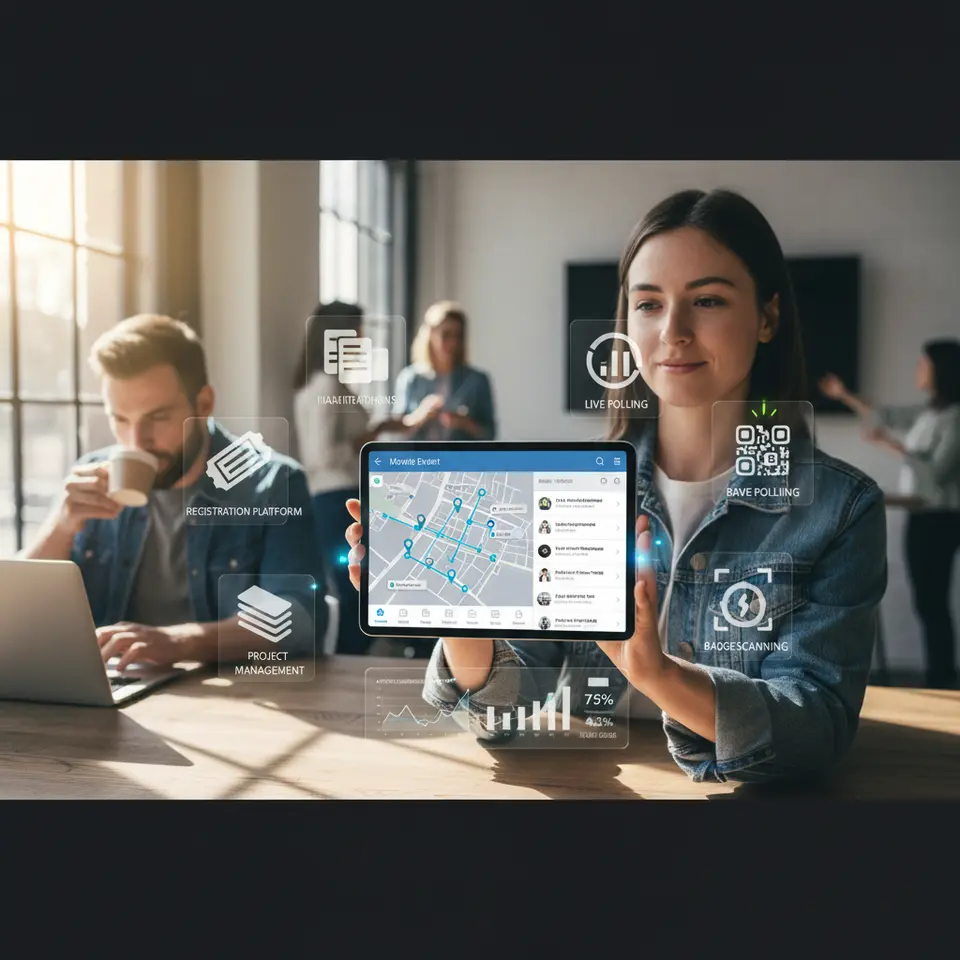
Registration platforms such as Eventbrite, Cvent, or Bizzabo handle ticketing, attendee data, and check-in processes with ease. These tools often offer built-in email automation, payment processing, and badge printing capabilities. Automating confirmations and reminders reduces no-show rates and improves overall attendance accuracy.
Project management applications like Asana, Monday.com, or Wrike enable cross-functional collaboration. Use Kanban boards and shared calendars to track task progress and avoid bottlenecks. Integrate these tools with communication platforms such as Slack or Microsoft Teams to facilitate instant updates and quick problem resolution.
On-site mobile apps elevate the attendee experience by offering interactive maps, session schedules, live polling, and networking features. Apps powered by technologies like QR codes and NFC (Near-Field Communication) allow fast badge scanning, while push notifications keep participants informed of real-time changes.
Finally, analytics dashboards transform raw data into actionable insights. By monitoring metrics such as email open rates, website traffic sources, registration pace, and social media engagement, you can optimize marketing spend and refine your content strategy. Platforms like Google Analytics, Tableau, and proprietary event dashboards deliver visual reports that guide adjustments during the live campaign and inform post-event debriefs.
Developing a Dynamic Marketing Strategy for Maximum Reach
To drive attendance and engagement, your event planning blueprint must include a multichannel marketing approach that resonates with diverse audience segments. Begin by segmenting your contact lists based on interest areas, past attendance, and professional demographics. Personalization is key—tailor your messaging and calls to action for each group.
Email remains a high-ROI channel when used strategically. Deploy a series of targeted campaigns with clear objectives, from early-bird announcements to last-chance reminders. Implement A/B testing for subject lines, send times, and content layouts to identify the most effective formula. Tools such as Mailchimp or Sendinblue can automate these tests and provide comprehensive performance reports.
Social media platforms offer valuable organic and paid opportunities. Create a branded event hashtag and encourage exhibitors, speakers, and attendees to use it in their posts. Publish behind-the-scenes stories, speaker spotlights, and countdown graphics to build momentum. For paid promotions, leverage advanced targeting options on Facebook, LinkedIn, and Instagram to reach lookalike audiences and industry influencers.
Partnering with thought leaders, academic institutions, or nonprofits can lend credibility and extend your reach. Co-host webinars, produce guest blog posts, or engage in cross-promotions with relevant organizations. If your event covers public health topics, for example, align with resources from CDC research to demonstrate authority and accuracy.
Lastly, consider paid advertising beyond social channels. Google Display Network and programmatic ad platforms enable precise audience targeting based on browsing behavior and interests. Retargeting campaigns can recapture individuals who visited your registration page but did not complete the sign-up process. With clear display ads and compelling calls to action, you can recover potential attendees and drive conversions.
Ensuring Flawless On-Site Execution and Attendee Experience
With all planning stages complete, the focus shifts to delivering a seamless on-site experience. A well-rehearsed run-of-show is the cornerstone of flawless execution. This document should outline each segment—registration, opening remarks, breakout sessions, networking breaks, and closing ceremonies—down to the minute. Distribute it to every team member, vendor partner, and volunteer to guarantee synchronized actions.
Pre-event briefing meetings foster clarity and confidence. Host a final huddle with team leads to review critical timings, safety protocols, and escalation procedures. Reinforce the chain of command so issues can be escalated and resolved quickly. Provide a printed contact sheet and digital group chat for rapid communication.
Enhancing guest experience should remain a top priority. Clear signage, help desks, and wayfinding assistants reduce confusion and delays. Fast-track check-in lanes for VIPs, speakers, and sponsors demonstrate appreciation and minimize congestion. Offer comfortable breakout zones with charging stations, refreshments, and branded merchandise to reinforce your organization’s image.
Contingency planning ensures you’re prepared for the unexpected. Stock backup audiovisual equipment, power supplies, and cabling. Identify alternative seating arrangements for last-minute increases in attendee count. If your venue is subject to weather disruptions, arrange indoor contingencies for outdoor networking areas. Comprehensive risk assessments and insurance policies offer additional protection.
Throughout the event, collect real-time feedback via mobile app polls or feedback kiosks. Quick pulse checks on session quality, catering satisfaction, and venue comfort enable on-the-fly adjustments. By continuously refining the experience, you amplify positive sentiment and leave a lasting impression aligned with your event planning blueprint.
Frequently Asked Questions
What is an event planning blueprint?
An event planning blueprint is a structured framework outlining each phase of the event process, from vision setting and budgeting to marketing and execution. It helps teams align on objectives, timelines, and responsibilities.
How far in advance should I start planning my event?
Planning timelines vary by event size and complexity, but most professional gatherings require 6–12 months of preparation to secure venues, vendors, sponsors, and speakers effectively.
Which technologies are essential for modern event planning?
Key technologies include registration platforms (e.g., Eventbrite), project management tools (e.g., Asana), mobile event apps, and analytics dashboards. Automating tasks and leveraging data insights enhance efficiency and attendee engagement.
Conclusion
In an era where attendee expectations and technology evolve rapidly, executing a successful gathering demands a structured yet adaptable event planning blueprint. By establishing a clear vision with SMART objectives, building a detailed project roadmap, harnessing technology and automation, deploying a targeted marketing strategy, and ensuring seamless on-site execution, you position your event for maximum impact. Today, data-driven insights and strategic partnerships further enhance your capacity to deliver memorable experiences. Embrace these best practices this year (2026), and refine each step as you grow. Your next event will not only meet objectives but exceed expectations—solidifying your reputation as a master of modern event planning.